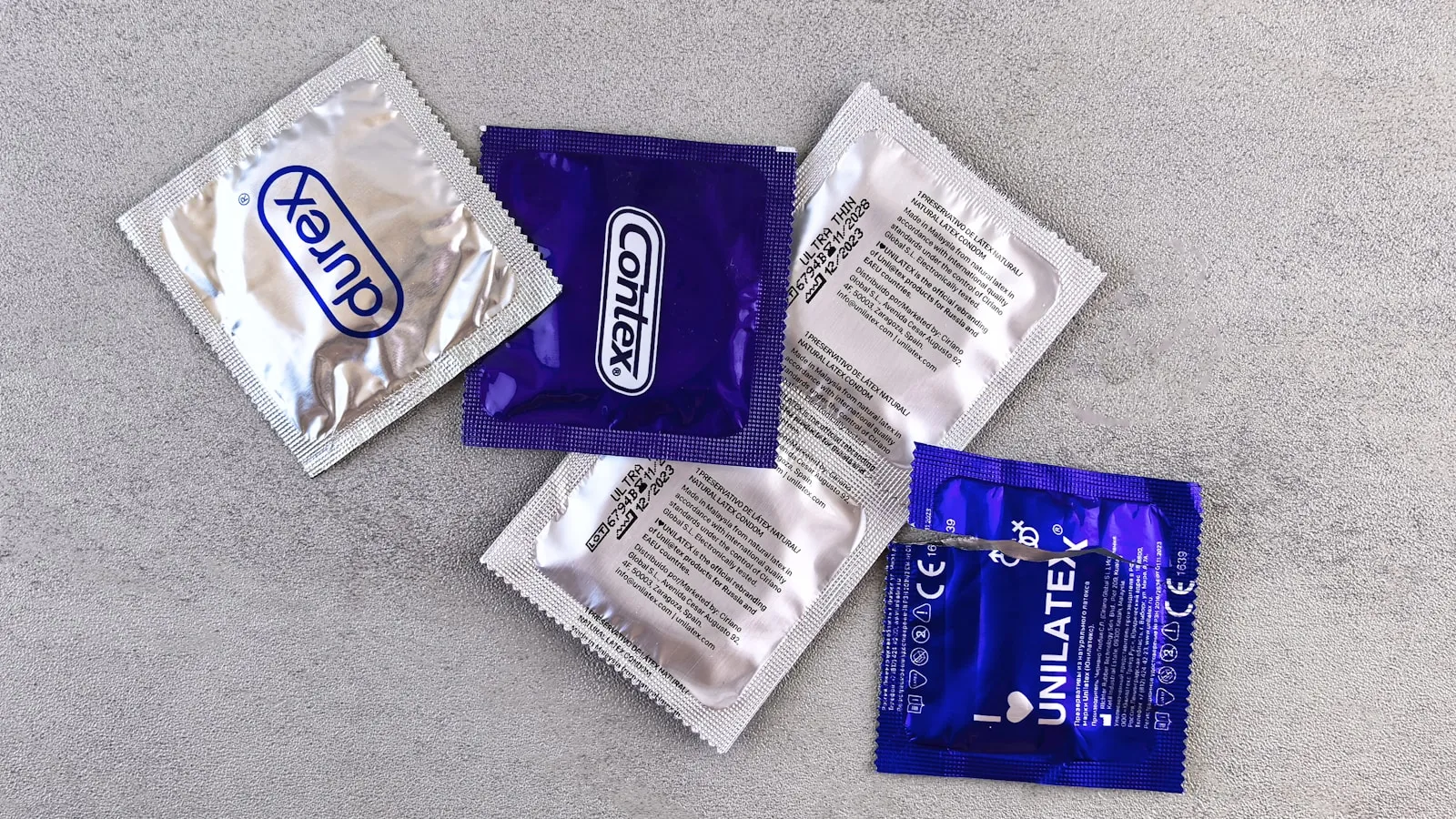
Je hebt iets meegemaakt waarvan je denkt: zou ik me laten checken? Misschien een nieuwe partner, een avond zonder condoom, of gewoon een onderbuikgevoel. De volgende vraag is bijna altijd dezelfde: welke test heb ik dan nodig, en wanneer is het zinvol om die te doen? Daar lopen de meeste mensen vast, want "een soa-test" bestaat niet als één ding. Het is een keuze tussen losse tests, combinaties en complete pakketten, en die keuze hangt af van wat er gebeurd is en hoe lang geleden.
In deze gids leggen we per situatie uit welke check logisch is. Niet om je angst aan te jagen, maar om je een rustige, onderbouwde keuze te geven. Onze stelling: een gericht testpakket dat past bij jouw risico is bijna altijd verstandiger dan willekeurig "alles maar testen" op het verkeerde moment. Te vroeg testen geeft schijnzekerheid, en dat is gevaarlijker dan even wachten.
Eerst dit: een soa kan er zijn zonder dat je iets merkt
Het belangrijkste misverstand is dat je klachten zou moeten hebben voordat testen zinvol is. Volgens het RIVM verlopen veel soa's, waaronder chlamydia, vaak zonder symptomen. Je kunt je dus prima voelen en toch een infectie bij je dragen, die je ongemerkt doorgeeft. Daarom is de aanleiding om te checken meestal niet "ik heb klachten", maar "er was risico". Wil je dat verder uitdiepen, lees dan soa test zonder klachten: is testen dan nog zinvol?
De kernvraag: welke test bij welke situatie?
Hieronder de beslishulp. Zoek de regel die het dichtst bij jouw situatie ligt. De aanbevolen check is een logisch startpunt, geen medisch voorschrift: bij twijfel of klachten overleg je altijd met een arts of de GGD.
| Jouw situatie | Risico-inschatting | Logische check | Wanneer testen |
|---|---|---|---|
| Nieuwe partner, je wilt stoppen met condooms | Standaard | Volledig soa-onderzoek (beiden) | Vanaf 2 weken na laatste risico, hiv pas zeker na 6 weken |
| Eenmalig onbeschermd contact, geen klachten | Standaard | Chlamydia, gonorroe, hiv, syfilis | Chlamydia en gonorroe vanaf 2 weken; hiv en syfilis na 6 weken herhalen |
| Branderig plassen of afscheiding | Verhoogd, klachten | Chlamydia en gonorroe eerst, daarna breder | Direct laten checken, ook bij klachten |
| Bultje, blaasje of zweertje | Verhoogd, klachten | Syfilis en herpes, beoordeling nodig | Direct, zweertje liefst tijdens de eerste dagen |
| Wisselende contacten, je test periodiek | Verhoogd | Volledig soa-onderzoek | Elke 3 tot 6 maanden |
| Zorgen om hiv of hepatitis specifiek | Gericht | Hiv-test, hepatitis-screening | Hiv betrouwbaar vanaf 6 weken; hepatitis B/C na 6 tot 12 weken |
| Partner positief getest | Hoog | Gerichte test op die specifieke soa, plus breed | In overleg, soms direct behandelen zonder af te wachten |
Los testen of een pakket: wanneer kies je wat?
Een vraag die bijna iedereen heeft: doe ik één gerichte test of meteen een breed pakket? De vuistregel is simpel. Heb je een duidelijke, enkele aanleiding, bijvoorbeeld een partner die positief getest is op chlamydia, dan is een gerichte test logisch en goedkoper. Is de aanleiding breder of vager, zoals een nieuwe partner of een avond waarvan je de details niet helemaal scherp hebt, dan is een breed pakket verstandiger. Het voorkomt dat je achteraf denkt: had ik dat ene ook maar laten checken. Wij raden bij twijfel het bredere onderzoek aan, simpelweg omdat de meerkosten niet opwegen tegen de onzekerheid van een halve check. Een tweede ronde kost je niet alleen geld, maar ook weer dagen wachten.
Wat zit er in de losse en complete checks?
De meeste mensen kiezen tussen drie niveaus. Een soa-onderzoek op chlamydia, gonorroe en trichomonas dekt de gangbare infecties in één keer en is de logische keuze als je het zeker wilt weten na een nieuw of onbeschermd contact. Wil je gericht checken omdat je een specifieke aanleiding hebt, dan kun je ook losse tests doen, bijvoorbeeld de chlamydia-test, de hiv-test of de syfilis-test.
Chlamydia en gonorroe
Dit zijn de meest voorkomende bacteriële soa's. Chlamydia geeft vaak geen klachten, gonorroe (de druiper) soms wel. Beide zijn goed te behandelen met antibiotica. Omdat ze vaak samen voorkomen, worden ze meestal in hetzelfde onderzoek meegenomen.
Hiv en syfilis
Hiv en syfilis worden via bloed opgespoord. Het RIVM en Soa Aids Nederland benadrukken dat vroege opsporing van hiv het verschil maakt: met moderne medicatie kun je goed en lang leven, en bij een onmeetbaar virus geef je het niet meer door. Het detectievenster is hier wel langer, daarover zo meer.
Hepatitis B en C
Deze virale infecties tasten de lever aan en geven lang geen klachten. Hepatitis B is in Nederland onderdeel van het rijksvaccinatieprogramma, maar niet iedereen is beschermd. Bij risico via bloed of seks is screening verstandig.
Hoe wordt er eigenlijk getest? Urine, bloed of uitstrijk
Welke test je nodig hebt, bepaalt ook hoe het materiaal wordt afgenomen. Dat is geen detail, want de verkeerde afnamemethode kan een infectie missen. Grofweg zijn er drie manieren. Bacteriële soa's zoals chlamydia en gonorroe worden meestal opgespoord via urine of een uitstrijk, afhankelijk van de plek van het contact. Hiv en syfilis worden via bloed aangetoond, omdat het lichaam daar antistoffen of virusdeeltjes in afgeeft. Hepatitis B en C lopen ook via bloed. Voor een keel- of anusinfectie is een uitstrijk op die plek nodig, want urine vangt die niet op. Wie alleen op urine vertrouwt na orale seks, kan een infectie dus over het hoofd zien. Bij twijfel over welke afname bij jouw situatie hoort, overleg je met een arts of de GGD.
Een positieve uitslag: en dan?
Stel dat er iets uitkomt. De eerste reactie is vaak schrik, maar voor de meeste soa's is een positieve uitslag goed nieuws in de zin dat je het nu weet en kunt aanpakken. Chlamydia, gonorroe en syfilis genezen doorgaans met een gerichte antibioticakuur. Bij hiv zorgt moderne medicatie ervoor dat je een normaal leven leidt en het virus niet meer doorgeeft zodra het onmeetbaar is. Twee dingen horen er altijd bij: de behandeling regelen via een arts, en je partner of partners inlichten. Dat laatste voelt ongemakkelijk, maar voorkomt dat de infectie heen en weer blijft kaatsen en dat anderen onbehandeld rondlopen. Soa Aids Nederland heeft hulpmiddelen waarmee je een partner ook anoniem kunt waarschuwen, als je dat liever niet zelf doet.
Timing is alles: het detectievenster
De grootste fout is te snel testen. Elke soa heeft een eigen periode tussen besmetting en het moment waarop een test betrouwbaar wordt, het detectievenster. Test je daarbinnen, dan kan de uitslag negatief zijn terwijl de infectie er wel is. Een korte indicatie:
- Chlamydia en gonorroe: meestal betrouwbaar vanaf ongeveer 2 weken.
- Hiv: met een moderne test betrouwbaar vanaf 6 weken na het risico.
- Syfilis: doorgaans vanaf 6 weken, soms langer.
- Hepatitis B en C: 6 tot 12 weken.
De volledige uitleg per infectie staat in hoe lang na onbeschermde seks kun je op soa testen? Heb je net risico gelopen en wil je niet wachten? Soms is een vroege check plus een herhaaltest na het venster de beste route. Bij een mogelijke hiv-blootstelling kan PEP (binnen 72 uur) relevant zijn, daarvoor neem je direct contact op met een arts of de GGD.
Wat kost het en wordt het vergoed?
De kosten verschillen sterk per route. Bij de GGD is een soa-test soms gratis als je tot een risicogroep behoort, maar lang niet iedereen komt in aanmerking en er kunnen wachttijden zijn. Bij de huisarts kan een test onder je eigen risico vallen, en komt hij in je medisch dossier. Een anonieme thuischeck heeft een vaste prijs zonder dat je verzekering of dossier erbij betrokken raakt. De volledige vergelijking lees je in soa test kosten: wat betaal je en wordt het vergoed?
Testen met een nieuwe partner: het condoomgesprek
Een van de meest voorkomende redenen om te checken is het begin van een relatie, op het moment dat je samen wilt stoppen met condooms. Dat is precies het juiste moment, en het werkt het beste als je het samen doet. Twee mensen die elkaar de uitslag laten zien, weten waar ze aan toe zijn. Belangrijk is dat jullie allebei test op of na het detectievenster sinds het laatste risico met een vorige partner, anders zegt een schone uitslag minder dan je denkt. Wil je hier praktische tips over, dan helpt het artikel over samen testen voordat je stopt met condooms. Het ongemak van dat gesprek weegt niet op tegen de rust die het daarna geeft.
Vergeet de keel en de anus niet
Soa's zitten niet alleen op de plek die je verwacht. Chlamydia en gonorroe kunnen ook in de keel of de anus zitten na orale of anale seks, vaak zonder dat je daar iets van merkt. Een test die alleen urine onderzoekt, mist die plekken. Als je orale of anale contacten hebt gehad, is het verstandig om dat mee te nemen in je keuze, zodat de juiste plekken bemonsterd worden. Soa Aids Nederland wijst er specifiek op dat keel- en anusinfecties vaak gemist worden omdat mensen er niet aan denken. Twijfel je of je dit nodig hebt, leg de situatie dan voor aan een arts of de GGD.
Hoe vaak moet je je laten checken?
Daar bestaat geen vast getal voor dat voor iedereen klopt; het hangt af van je leefstijl. Een ruwe richtlijn die aansluit bij wat de GGD en het RIVM adviseren:
- Vaste relatie, beiden getest, geen risico's: alleen bij een nieuwe situatie.
- Af en toe een nieuwe partner: bij elke nieuwe partner, of een paar keer per jaar.
- Wisselende contacten: elke 3 tot 6 maanden een volledig onderzoek.
- Na een concreet risico: gericht testen na het detectievenster, ongeacht je gewoonte.
Regelmatig checken klinkt misschien overdreven, maar bij stille infecties als chlamydia is het juist de enige manier om er op tijd bij te zijn. Het is geen teken dat er iets mis is, het is verstandig onderhoud.
Verder lezen
- Welke soa's in Nederland voorkomen
- Testen na een onenightstand
- Testen na vreemdgaan
- Het bloedonderzoek voordat je met PrEP start
Veelgestelde vragen
Kan ik op alles tegelijk testen?
Ja, een volledig soa-onderzoek dekt de gangbare infecties in één keer. Houd er rekening mee dat hiv en syfilis pas na zes weken betrouwbaar zijn, dus soms is een herhaaltest voor die twee nodig als je eerder test.
Moet ik nuchter zijn of iets voorbereiden?
Voor een soa-onderzoek hoef je doorgaans niet nuchter te zijn. Plas bij voorkeur een uur voor een urinetest niet, zodat het materiaal bruikbaar is. Verdere instructies krijg je bij de test zelf.
Wat als ik tussen twee tests nog risico loop?
Dan begint het detectievenster opnieuw vanaf dat laatste risico. Een eerdere schone uitslag zegt niets over een contact dat daarna plaatsvond.
Na het testen: hoe lang wachten en wat dan?
De wachttijd op resultaten hangt af van de gekozen route en de gebruikte techniek. Wat je kunt verwachten, lees je in soa test uitslag: hoe lang moet je wachten? Komt er een positieve uitslag, dan is dat geen ramp maar het begin van een gerichte aanpak: de meeste soa's zijn goed te behandelen, en je partner waarschuwen hoort daarbij. Twijfel je over de keuze, begin dan bij een breed onderzoek op het juiste moment, dan voorkom je dat je voor een tweede ronde terug moet.
Kort samengevat in beslisregels
- Geen klachten maar wel risico? Testen is alsnog zinvol, want veel soa's verlopen stil.
- Eén duidelijk contact zonder klachten? Een breed onderzoek na het detectievenster.
- Wel klachten? Niet wachten, en bij twijfel met een arts of de GGD overleggen.
- Hiv of syfilis gerust willen zijn? Plan de test op of na 6 weken.
Verdiep je per onderwerp
Wil je dieper ingaan op een specifiek onderwerp? Deze gidsen brengen je verder:
- soa test thuis: betrouwbaar en anoniem testen
- soa symptomen bij mannen en vrouwen
- chlamydia: symptomen, test en behandeling
- hiv test: betrouwbaarheid en window-periode
- syfilis: stadia en eerste tekenen
- gonorroe (druiper): symptomen herkennen en testen
- soa test bij mannen: symptomen en welke check
- soa test bij vrouwen: welke testen en wanneer
- soa-test negatief maar toch klachten: 7 verklaringen
- positief getest op een soa: wat nu
- soa testen voor MSM: welke checks en hoe vaak
Een soa-check is geen examen dat je kunt zakken. Het is informatie waarmee je rustiger verder kunt. Kies de test die bij jouw situatie past, doe hem op het juiste moment, en je hebt de duidelijkheid die je zocht. Deze gids is voorlichting en vervangt geen persoonlijk medisch advies.
Auteur
Discreettest
Dr. Naimi, BIG-geregistreerde arts, ziet toe op de medische standaarden achter onze content en beoordelingen. Lees ons medisch beleid