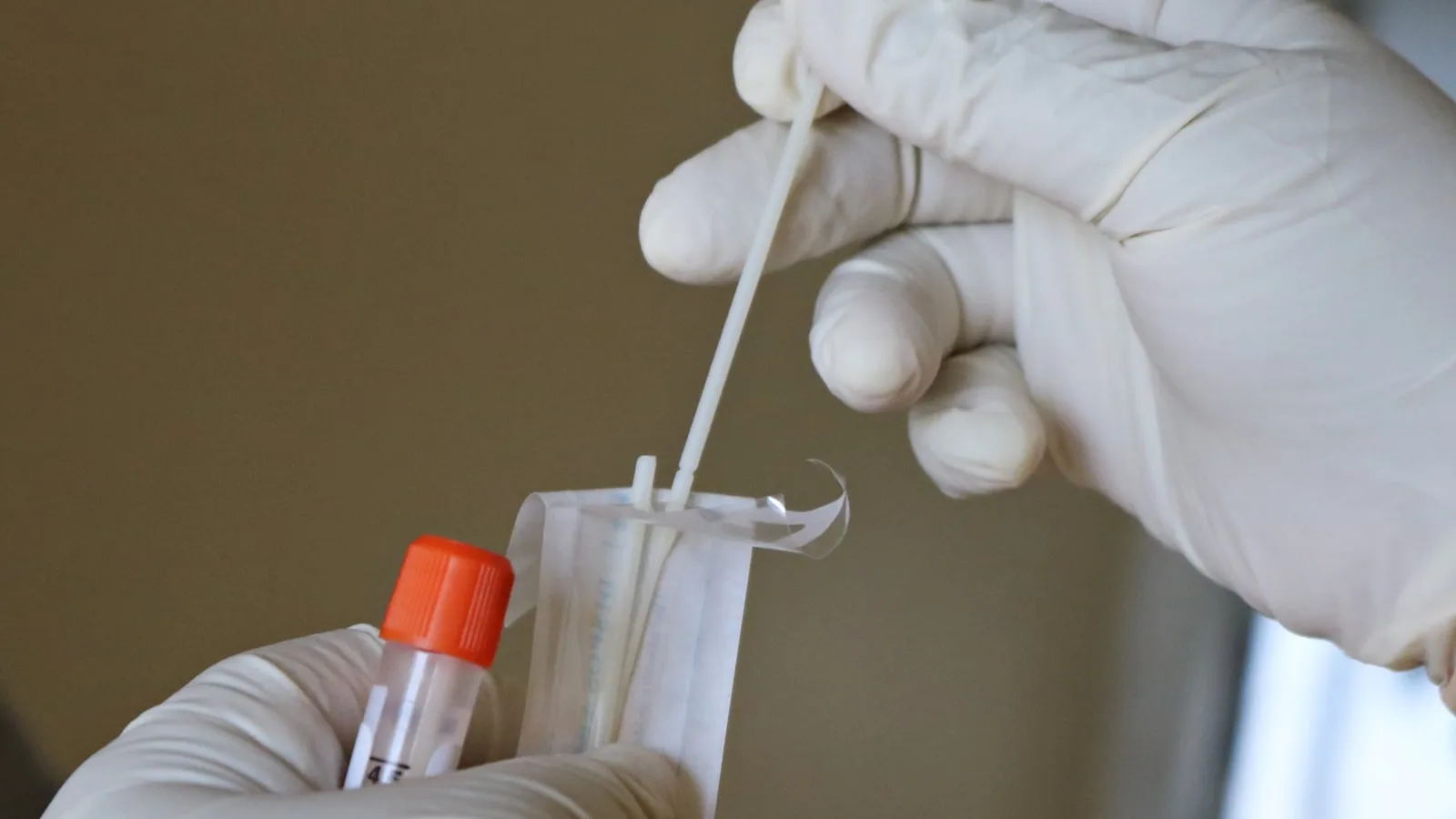
The test is done, and now begins the part many people find hardest: the waiting. Your phone is next to you and with every notification you think: is this it? Good news: the wait for an STI result is usually shorter than you fear, and you can reasonably estimate when you will hear something. Bad news for the impatient: a result within an hour is rarely accurate, because reliable laboratory testing takes time.
Our view: better to wait two days for a laboratory result than ten minutes for a rapid test that you then have to confirm anyway. Speed without reliability is not reassurance.
Ready to test? You can put together an anonymous STI test and view your result privately on your dashboard.
Why the technique determines the wait
Not every test works the same way. A rapid test gives a quick indication but is more prone to error, and a positive signal often has to be confirmed in a lab. Laboratory testing, such as a PCR for chlamydia or a blood test for HIV and syphilis, is more accurate but requires processing time: the sample has to go to the lab, be analysed and checked. RIVM applies the same logic in population screening, quality over speed.
Wait time per route
The timeframes below are a realistic indication. The exact time depends on the provider, the chosen test and the moment of sampling.
| Route | Result type | Typical wait | How you hear |
|---|---|---|---|
| Anonymous home check (lab) | Laboratory | Usually within 2 working days | Secure online, anonymous |
| GGD | Laboratory | A few days to over a week | By phone or online |
| GP | Laboratory | A few days | Via the practice, enters record |
| Home self-test (rapid) | Indication | Minutes | Read yourself, needs confirmation |
What if the result is positive?
First this: a positive result is not a disaster. Most STIs, such as chlamydia, gonorrhea and syphilis, are easily treated, often with a short course of antibiotics. For HIV, modern medication allows a normal life, and with an undetectable virus you no longer pass the infection on. Soa Aids Nederland stresses that timely detection is exactly what makes the difference.
After a positive result, two things follow: arranging treatment through a doctor, and informing your partner(s) so they can get checked too. The latter feels uncomfortable but stops the infection bouncing back and forth.
And an unclear or borderline result?
Sometimes a result is not black and white. That can happen because you tested too early, still within the detection window. How that works is in how long after unprotected sex can you test for STIs? In that case, a repeat test after the window is the logical step. With any doubt about the result, discuss it with a doctor.
Why a rapid test is not always faster in the end
It sounds contradictory, but a rapid test you read in ten minutes can ultimately cost you more time. A positive or unclear rapid test has to be confirmed with laboratory testing, and then you still face the wait you thought you were avoiding. On top of that, a rapid test is more prone to a false-positive or false-negative result. For peace of mind, a laboratory test with a reliable result, usually within 2 working days of the blood draw, is often the calmer route, precisely because you are not caught out by surprises.
What you can do while you wait
The days between the test and the result are harder for many people than the test itself. A few things that help: agree with yourself not to check your phone every ten minutes, and decide in advance how you will respond to both results. A positive result means arranging treatment and informing your partner; a negative result means that, if you were still within the window, you may schedule a repeat test. Having that plan ready makes the wait feel less like helplessness. Until the result is in, safe sex is sensible so you do not pass anything on unknowingly.
Frequently asked questions
Do I get notified even if the result is negative?
Yes, with a laboratory route you always get notified, regardless of the result. With an anonymous home check you see the result securely online.
Can a result take longer than expected?
Sometimes yes, for example during a busy period or if a test has to be repeated or confirmed. That is no reason for concern in itself.
Does a fast result mean nothing is wrong?
No, speed says nothing about the outcome. A negative result that comes in quickly is just as valid as one that took a little longer, provided you tested outside the detection window.
Which test, which wait?
If you want broad certainty and to include all common infections at once, choose a STI screen for chlamydia, gonorrhoea and trichomonas. If you have a targeted concern, a single chlamydia test or HIV test can be quicker and more focused. Which test fits your situation is in STI testing: which test do you need and when? And what the different routes cost is in STI test cost: what do you pay and is it reimbursed?
Want the whole picture? The main guide to STI testing at home explains the routes. See also how an anonymous STI test works and STI test without an appointment.
The waiting is the hardest part, but it is usually short. Plan the check at the right moment, choose a route with laboratory confirmation, and within a few days you have the clarity you are looking for. This information is educational and does not replace personal medical advice.
Autor
Discreettest
Dr. Naimi, lekarz wpisany do holenderskiego rejestru BIG, nadzoruje standardy medyczne naszych treści i ocen. Przeczytaj naszą politykę medyczną