Syphilis is mainly passed on during sexual contact, through the sores that carry a lot of bacteria. Precisely because such a sore can be painless and sit in a hidden place, transmission sometimes happens without anyone noticing. We explain how transmission works and how you can protect yourself.
With syphilis, prevention comes down to two things: lowering the risk and knowing where you stand in time.
How do you get infected with syphilis?
Infection usually happens through direct contact with a syphilis sore during vaginal, anal or oral sex. The bacteria enter through small breaks in the skin or mucous membranes. Because the sore is painless and can sit hidden, transmission is possible without it being noticed.
An overview in Nature Reviews Disease Primers describes that syphilis is mainly infectious in the early stages, when sores or a skin rash are present (PMID 29022569). In those phases the body carries the most bacteria.

Even without complaints you can be infectious in certain phases. So testing matters not only for yourself, but also for your partner(s).
Toilet seats, towels or swimming pools do not give you syphilis. The bacteria do not survive well outside the body, so everyday contact poses no risk. That spares a lot of needless worry about how you might catch it.
In what ways is syphilis passed on?
Besides sexual contact, there are a few more routes by which syphilis can be passed on. The most important is transmission from mother to child during pregnancy. The overview below lists the ways, as general explanation.
| Route | How | When risk |
|---|---|---|
| Sexual contact | Direct contact with a sore or rash | Mainly in early stages |
| Mother to child | During pregnancy via the placenta | With an untreated infection |
| Blood-to-blood contact | Rare, for example shared needles | Limited in the Netherlands |
Global WHO estimates show syphilis is still common, which underlines the importance of awareness (PMID 31384073). In the Netherlands, RIVM tracks the numbers and has seen a rise again in recent years.
How do you prevent syphilis?
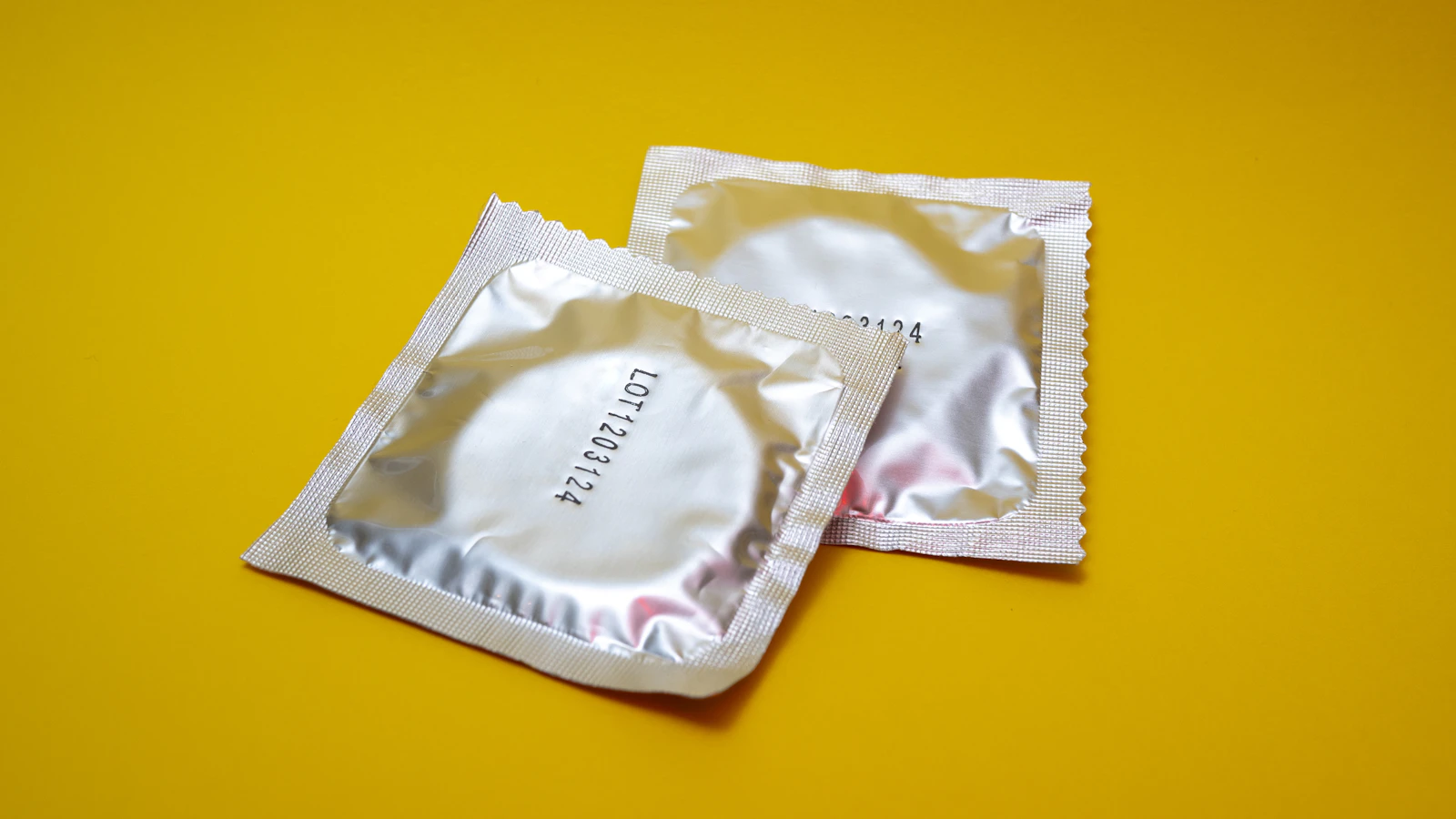
Condoms lower the risk of syphilis, but do not give full protection, because a sore can also sit outside the covered area. Alongside condoms, it helps to test together with a new partner before you stop using condoms. That way you both know where you stand.
Research on the modern course of syphilis stresses that many infections run with few symptoms, which gives testing a central role in prevention (PMID 32101666). You cannot rely on complaints to know whether someone is infectious.
Being honest with each other helps too. Talking about earlier tests and about what you both want sounds nerve-racking, but it makes choices about condoms and testing a lot easier. That conversation does not have to be heavy.
If you want to compare different prevention methods, read PrEP, PEP or condoms compared. And what symptoms look like is in syphilis symptoms.
Syphilis and pregnancy
An untreated syphilis can be passed to the child during pregnancy, with possible consequences for the baby's health. That is why pregnancy care gives it standard attention. Timely treatment of the mother strongly lowers the risk for the child.
An overview in Seminars in Perinatology describes that congenital syphilis is largely preventable when the mother's infection is found and treated in time (PMID 29627075). That makes testing around a wish to conceive and pregnancy extra relevant.
Read more about this in STI testing during pregnancy.
Why testing is part of prevention
Because syphilis often runs without clear complaints, a test is the only way to be sure whether you are infected. That protects not only yourself, but also prevents you passing it on unnoticed. Testing is therefore just as much prevention as using condoms.
If you want to arrange it calmly and privately, you can do a syphilis test via a blood sample, or look more broadly with a test for viral infections such as HIV and hepatitis. How it all connects is in our guide on syphilis: stages, signs and testing.
Feel free to discuss the timing with a doctor or the sexual-health clinic.
Sources
- Peeling RW, et al. Syphilis. Nature Reviews Disease Primers. 2017. PMID 29022569.
- Ghanem KG, Ram S, Rice PA. The Modern Epidemic of Syphilis. NEJM. 2020. PMID 32101666.
- Rowley J, et al. Global prevalence and incidence estimates, 2016. Bulletin of the WHO. 2019. PMID 31384073.
- Cooper JM, Sanchez PJ. Congenital syphilis. Seminars in Perinatology. 2018. PMID 29627075.
- RIVM, Syphilis. Soa Aids Nederland, Syphilis.
Every blood test result we provide includes a professional assessment from a BIG-registered doctor. For treatment decisions, discuss your results with your GP.
Author
Discreettest
Dr. Naimi, BIG-registered physician, oversees the medical standards behind our content and assessments. Read our medical policy