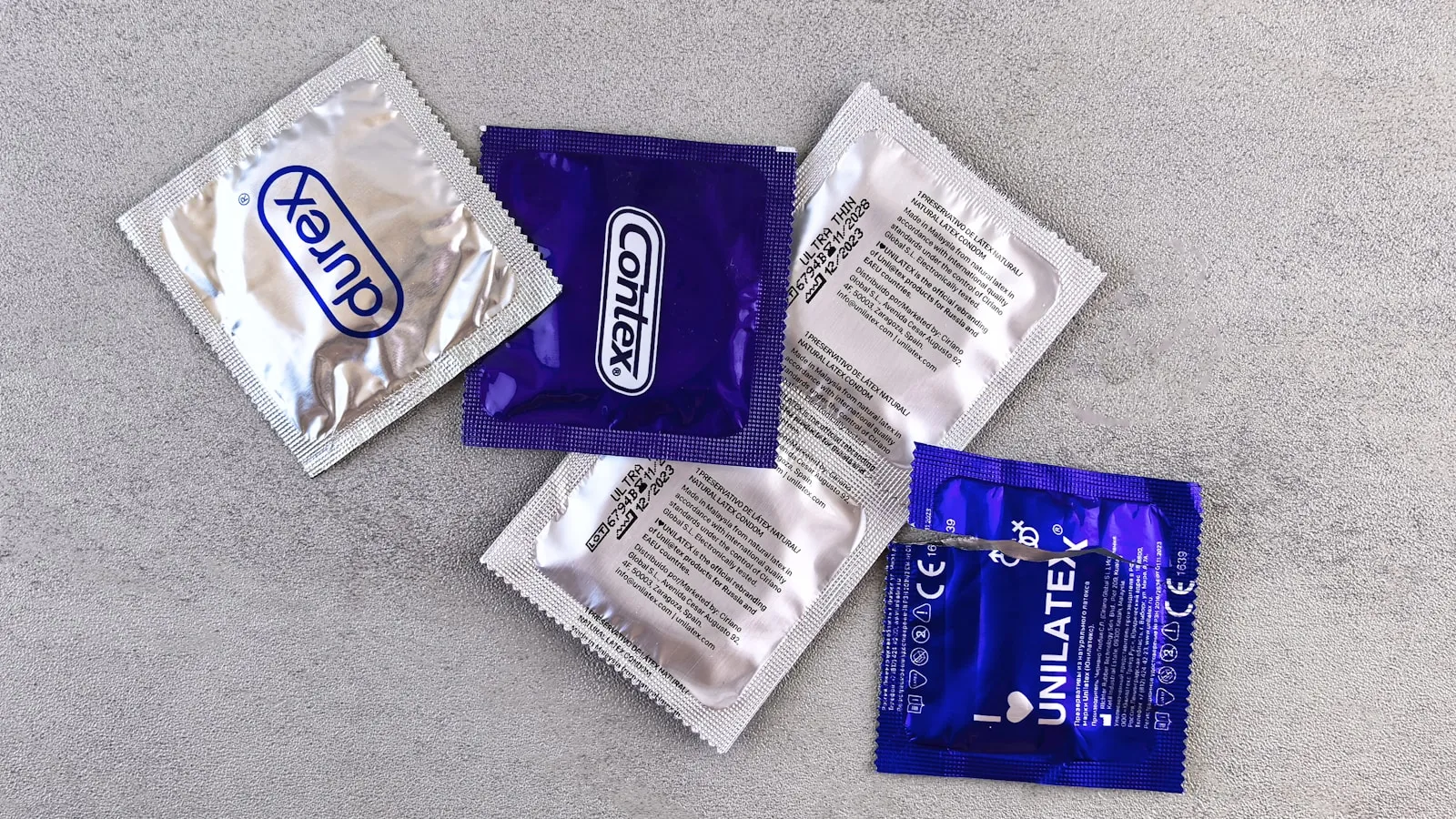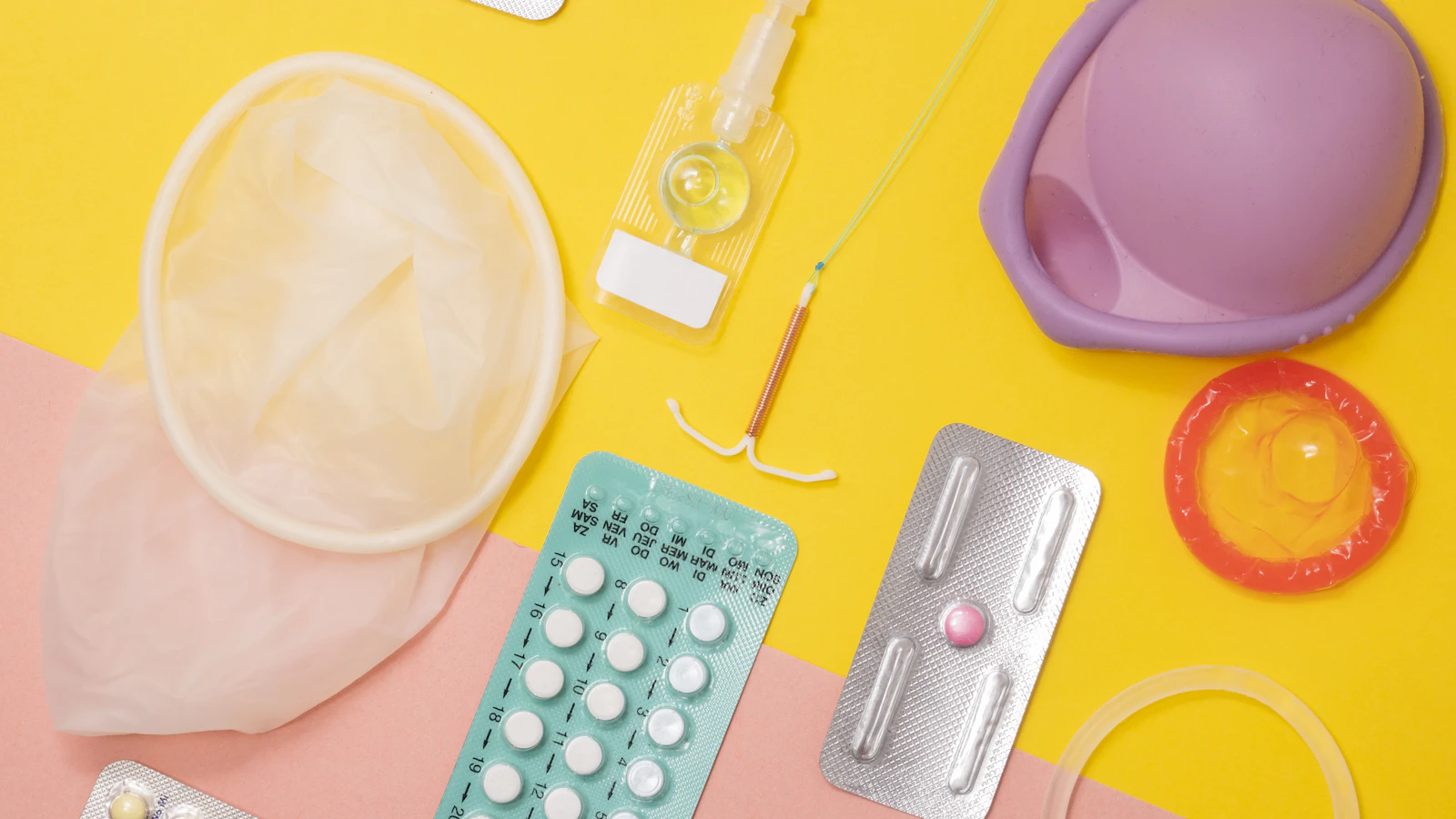
There is no single best way to prevent an STI, there are several that each do something different. Condoms protect broadly against many STIs. PrEP protects strongly against HIV, but not against the rest. PEP is the emergency measure afterwards. And testing is the thread that ties it all together.
The trick is not choosing between these methods, but combining them wisely.
How do you prevent an STI?
Prevention works best when you choose the method that fits the risk. For broad protection, condoms make sense. For specific HIV risk, PrEP is strong. After a slip-up, PEP is there. The RIVM and Soa Aids Nederland stress that no single method covers everything on its own.
| Method | Protects against | When | Caveat |
|---|---|---|---|
| Condoms | Many STIs, broadly | During sex itself | Only works with correct, consistent use |
| PrEP | Mainly HIV | Beforehand, planned | Not against other STIs; needs check-ups |
| PEP | HIV, as emergency | Within 72 hours after | Not steady prevention; act fast |
| Testing | Detects, does not prevent | Regularly or on symptoms | The backstop under every method |
This comparison is a tool to start the conversation with yourself or your doctor, not tailored medical advice.

PrEP: targeted protection against HIV
PrEP is a pill that strongly lowers HIV risk with consistent use. It is meant for people at higher chance of HIV, and it does not protect against other STIs. To see whether it fits you, read what is PrEP and who is it for?.
PEP: the emergency measure after a risk
PEP is not daily protection but a short course after a risky moment, to start within 72 hours. It belongs in exceptional situations, not as plan A. The details are in PEP: HIV risk within 72 hours after unprotected sex.

Condoms: broad protection
Condoms are the only method on this list that protects broadly against many STIs, not only HIV. They work best with correct and consistent use. That is exactly why they stay valuable, even alongside PrEP.
Many people combine: PrEP for HIV, condoms for the rest. That is not overkill, that is cover on two fronts.
Combining and continuing to test
Whichever method you choose, testing stays the backstop. A new relationship is a good moment to do it together, see testing together in a new relationship. And how often you test while on PrEP is covered in PrEP and STI testing.
With us you do that discreetly, for example with the viral infections package. My advice: do not pick one method forever, but the mix that fits this moment in your life.
Choosing a method that fits you
What the best method is depends on your situation, not on a general rule. Someone with a steady partner makes different choices than someone with changing contacts. And that choice may shift, because your life shifts too.
If you are at frequent, plannable risk, daily or event-driven PrEP often fits well, with condoms alongside for the rest. If you are rarely at risk, condoms and regular testing are usually enough. If you are unsure, a short conversation with the GGD or your GP is worth it.
That is really the core: protection is not a one-off decision, but something you revisit now and then.
Frequently asked questions about prevention
What protects most broadly against STIs? Condoms, because they work against many STIs at once and not only against HIV. PrEP is stronger against HIV specifically, but narrower in what it covers.
Does PrEP replace the condom? For HIV, PrEP offers strong protection, but not against other STIs. If you want broad protection, condoms or regular testing remain wise.
Can I use several methods at once? Yes, and that is often the smart move. PrEP for HIV and condoms for the rest is a common combination.
Is testing also a form of prevention? Testing does not prevent infection, but it catches an STI early so you can limit spread and complications. That is why we call it the backstop under the other methods.
Which method is cheapest? Condoms are low-threshold and broadly usable. PrEP and PEP run through health care; you discuss the costs and reimbursement with the GGD or your GP.
Every STI result we provide is assessed by a BIG-registered doctor. PrEP and PEP are medicines arranged through the GGD or your GP; always discuss starting, stopping and your check-ups with them.
Want to know more about reliability, the window period and anonymous testing? Read our HIV test guide.
Sources
Author
Discreettest
Dr. Naimi, BIG-registered physician, oversees the medical standards behind our content and assessments. Read our medical policy