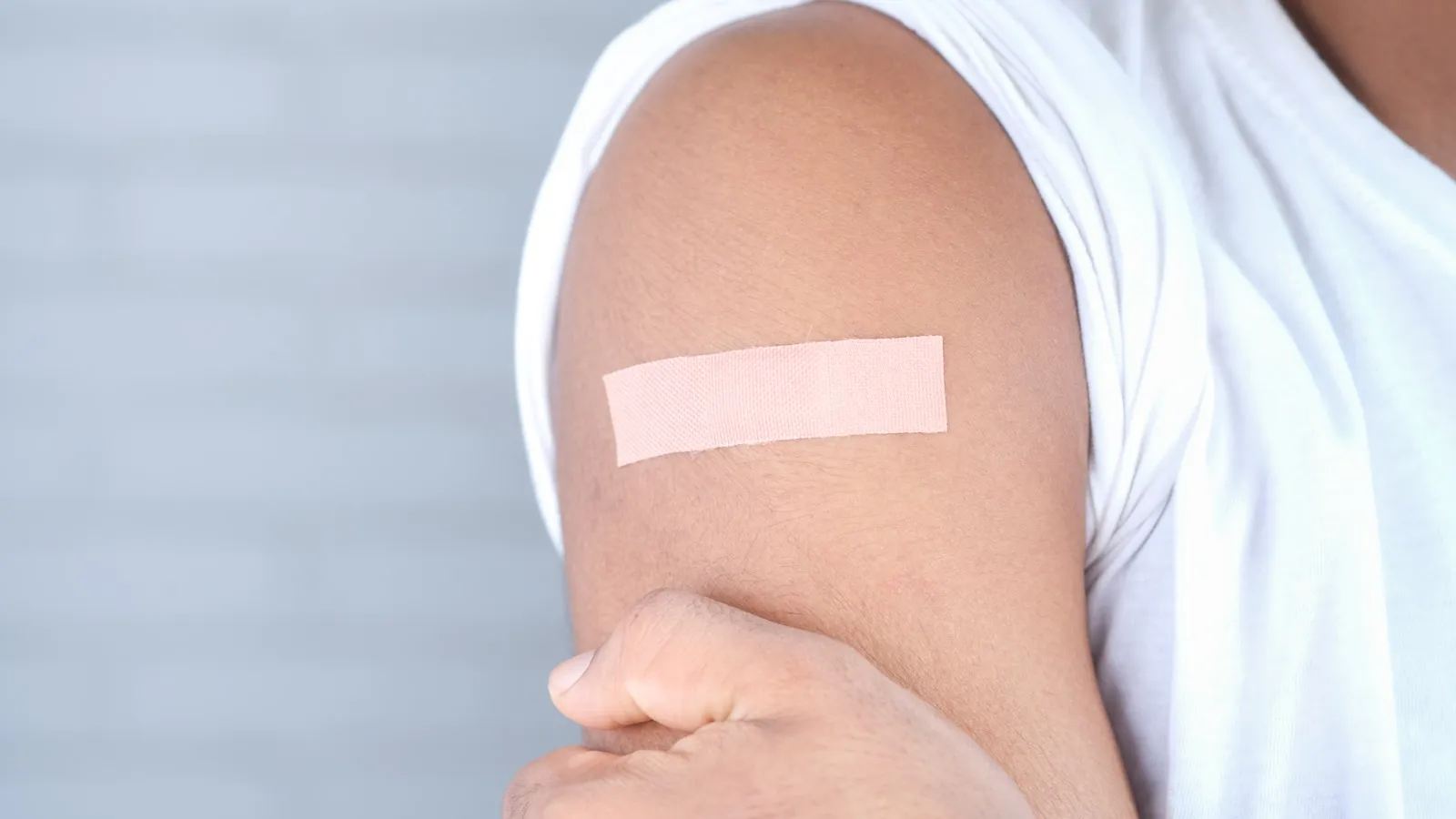
A hepatitis test is a blood test, usually no more than a small prick. For hepatitis B the lab checks whether the virus is in your blood; for hepatitis C, antibodies are often tested first. After a risk moment you can usually get a reliable result about three months later.
Just want certainty, without hassle and without everyone having to know? That's possible. Below you'll read how a hepatitis test works, when to do it, and how to get checked discreetly and anonymously.
How does a hepatitis test work?
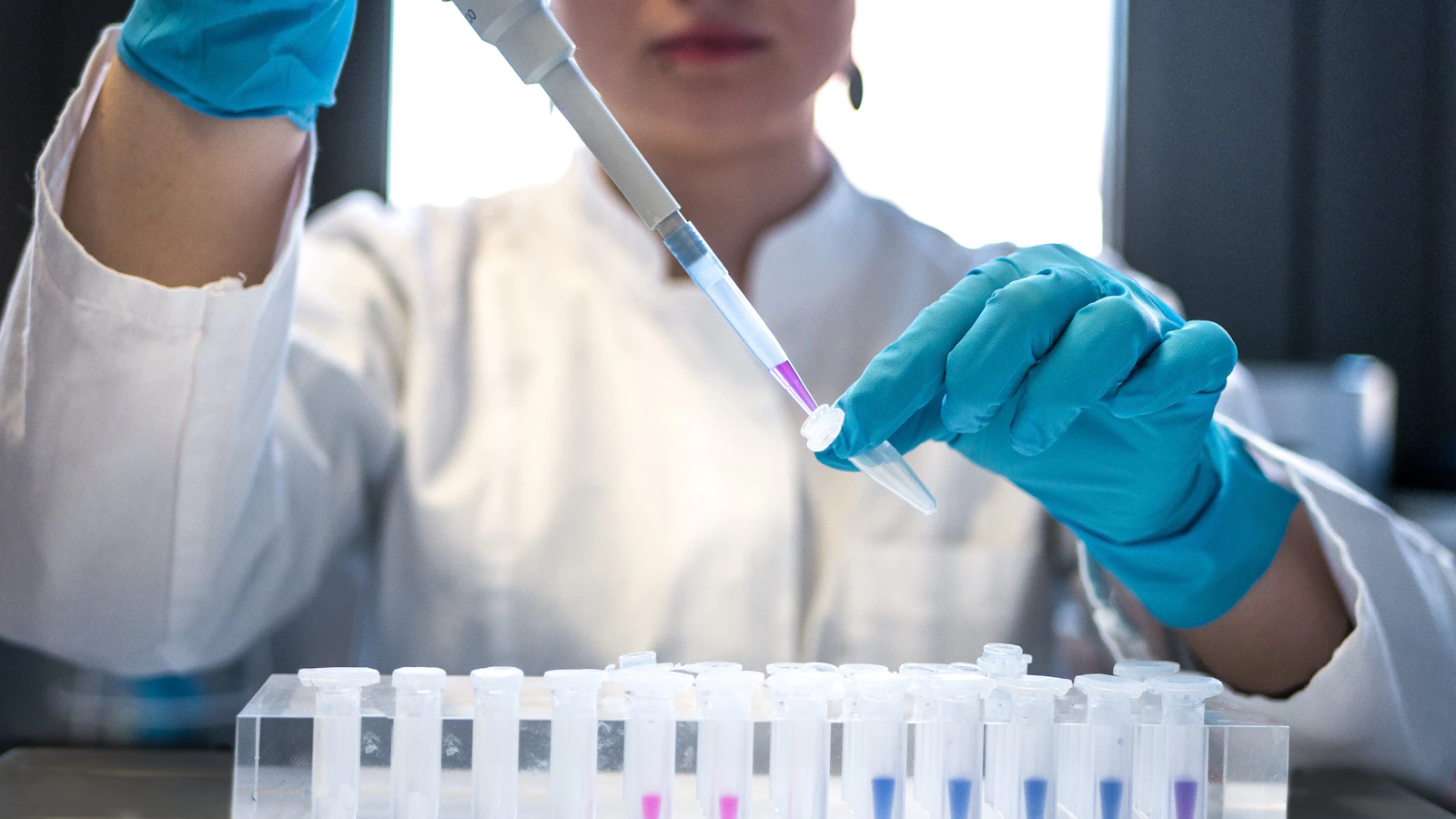
A hepatitis test looks in your blood for traces of the virus. For hepatitis B that's done with a test for HBsAg, a piece of the virus. For hepatitis C, antibodies are tested first, and confirmed if needed with a test for the virus itself.
That two-step approach for hepatitis C has a reason: antibodies show you've been in contact with the virus at some point, while the confirmation test shows whether the virus is still active now. The table below lays it out.
| Test | What it looks for |
|---|---|
| Hepatitis B (HBsAg) | Whether the virus is in your blood now |
| Hepatitis C (antibodies) | Whether you've been in contact with the virus |
| Hepatitis C (confirmation) | Whether the virus is still active now |
More about the viruses themselves and the difference between B and C is in our piece on hepatitis B and C.
When can you get tested (the window)?
After a risk moment there's a wait before a test is reliable. That's called the window. According to Soa Aids Nederland, for hepatitis B you can test about three months after unprotected sex or blood contact for a reliable result.
The virus needs that time to become visible in your blood. If you test too early, the result can be negative while you're actually infected. If you're unsure about the right moment, it's smart to wait a little or ask for advice.
If you have symptoms that worry you, don't wait but see your GP. Otherwise, waiting out the window gives you the most reliable result.
Can you get tested for hepatitis anonymously?
Yes, you can do your hepatitis test discreetly and anonymously, without your GP or insurer being involved by default. You arrange the test yourself, give blood, and get your result directly. For many people that privacy is exactly the reason to test online.
That makes it low-threshold. You don't have to have an awkward conversation or book an appointment visible in your calendar. How the routes compare is in our piece on collection point or home test.
Important: testing anonymously doesn't mean you're on your own. Every result at Discreet Test includes an assessment by a BIG-registered doctor, so you know what your result means.
Is hepatitis in a standard STI test?
Not always. A standard STI check often looks first at chlamydia and gonorrhoea, and sometimes at HIV and syphilis. Whether hepatitis B and C are included depends on the package you choose and on your situation.
If you want to be tested broadly, look carefully at which infections are in your package. In our overview which STI test you need when we explain how to choose. That way you avoid thinking you're broadly tested while hepatitis wasn't included.
If you want to test specifically for hepatitis, the hepatitis test gives insight there. If you want to view it alongside other viral STIs, the viral infections package looks more broadly.
How long until you get the result?
Your results are usually in your account within 2 working days of the blood draw, often the next day. The exact time depends on the lab and the type of test. You don't have to do anything yourself except wait.
Those days can feel tense, and that's completely normal. Try not to work yourself up over what you read online. In the end, the result simply gives you clarity, whichever way it points.
As soon as your result is in, you know where you stand and whether a next step makes sense.
What does your result mean?
A negative result means no sign of the virus was found at that moment. A positive result means something was found, and that calls for a follow-up. Neither is a reason for panic.
With a positive or unclear result, the logical next step is a conversation with your GP. They can take a look, arrange extra testing if needed and refer you. For hepatitis C there's also often a good treatment, as you can read in our piece on hepatitis C treatment.
So don't see a test as something scary, but as a way to get clarity. Always discuss an unusual result with your GP, who can help you decide whether further steps are needed.
References
- RIVM. Hepatitis B. 2024. rivm.nl
- RIVM. Hepatitis C. 2024. rivm.nl
- Soa Aids Nederland. Hepatitis B. 2024. soaaids.nl
Every blood test result at Discreet Test includes a professional assessment by a BIG-registered doctor. For treatment decisions, discuss your results with your GP.
Author
Discreettest
Dr. Naimi, BIG-registered physician, oversees the medical standards behind our content and assessments. Read our medical policy