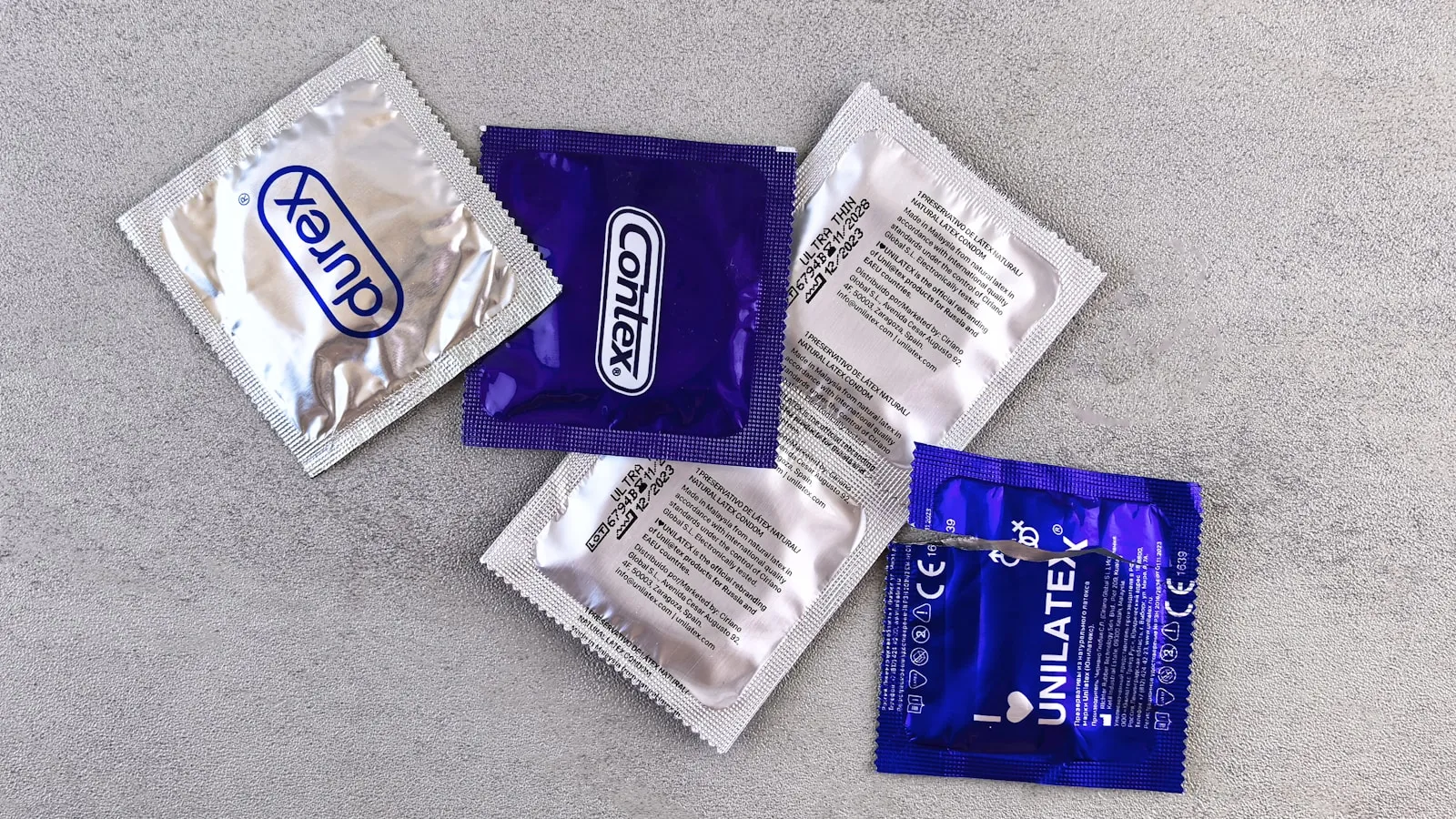
It is the evening after and your head is already doing the maths: can I test tomorrow? Tempting, but almost always too early. The awkward truth is that a test tells you nothing useful while you are still within the detection window, the period between infection and the moment an infection becomes measurable. A negative result inside that window is not reassurance, it is noise.
Our view: testing too early is worse than waiting a little. A falsely reassuring result can lead you to pass an infection on after all, precisely because you thought everything was fine. So below is, per STI, when a check actually becomes reliable.
What exactly is a detection window?
After infection, your body needs time before there is enough of the pathogen, or of the antibodies against it, to be detected. With bacterial STIs this happens relatively quickly; with viral STIs found through antibodies it takes longer. RIVM uses these windows to determine when a test is reliable.
Detection window per infection
The timeframes below are guidelines for when a test is considered reliable, counted from the moment of risk. With symptoms: do not wait, get checked right away.
| Infection | Reliable from | Repeat? | Note |
|---|---|---|---|
| Chlamydia | About 2 weeks | Usually not needed | Often without symptoms |
| Gonorrhea | About 2 weeks | Usually not needed | Assess sooner with symptoms |
| HIV | 6 weeks | At 12 weeks if high risk | Modern tests find virus and antibodies |
| Syphilis | 6 weeks | Sometimes up to 12 weeks | Antibodies develop slowly |
| Hepatitis B | 6 weeks | Up to 12 weeks if unsure | Often long without symptoms |
| Hepatitis C | 6 to 12 weeks | Yes, with ongoing risk | Window can be longer |
I do not want to wait that long, now what?
Understandable. A few options, depending on your situation. If you only have a risk of chlamydia or gonorrhea and no symptoms, you can get certainty fairly quickly after about two weeks. If HIV in particular is on your mind, know that an early test (around 4 weeks) can already rule out a lot, but a reliable result only stands at 6 weeks. The safe route is then: do a broad test early for the bacterial STIs, and a targeted repeat test after the window.
With a possible recent HIV exposure at high risk, there is PEP, medication that must be started within 72 hours of the contact. You arrange that not through a home test but via a doctor, the out-of-hours GP service or the GGD. Soa Aids Nederland and RIVM point explicitly to this emergency route, so do not delay.
Which test do you choose?
For a broad check after unprotected contact, a chlamydia, gonorrhoea and trichomonas test is the most practical, because you do not have to puzzle infection by infection. If you have a specific concern, you can do a targeted chlamydia test or HIV test. If you are unsure which test fits your situation, the decision guide in STI testing: which test do you need and when? helps.
The three mistakes people make most often
In practice it almost always goes wrong on the same three points. Knowing them prevents an unreliable result.
- Testing the day after. You are then still firmly inside the window. A negative result means nothing.
- Testing once after multiple risks. The window counts from the last risk. If there was recent contact, you have to recalculate.
- Only testing for chlamydia and thinking you are done. HIV and syphilis have a longer window and often require separate timing.
Does the window count from the contact or from symptoms?
From the contact, so from the moment of possible risk, not from the moment you develop symptoms. Symptoms can come earlier or later than the window, or not at all. That is why you always count from the date of the unprotected sex. If you do develop symptoms, that is actually a reason not to wait for the window but to get assessed right away.
Frequently asked questions
Can I really rule everything out after 6 weeks?
For most common STIs, yes. With a high risk of HIV, RIVM and the GGD sometimes advise a repeat test at 12 weeks for full certainty.
Does it matter whether it was oral, vaginal or anal?
The window stays the same, but the site that needs sampling differs. Throat and anal infections are missed if only urine is examined.
And if I have no symptoms?
Then testing after the window is still worthwhile, because many STIs run silently. More on that in STI test without symptoms: is testing still worthwhile? And if you want to know how long you then wait for the result, see STI test results: how long do you have to wait? Which test fits your situation is in the guide STI testing: which test do you need and when?
In short: note the date of the risk, add the windows, and plan your check for the moment the result actually means something. That is calmer for your mind and fairer to your partner. With symptoms or any doubt, discuss it with a doctor. This information is educational and does not replace personal medical advice.
الكاتب
Discreettest
Dr. Naimi، طبيب مسجل في سجل BIG الهولندي، يشرف على المعايير الطبية لمحتوانا وتقييماتنا. اقرأ سياستنا الطبية
فحوصات ذات صلة
مقالات ذات صلة

How long is scabies contagious?
How do you get pubic lice? And does shaving help?