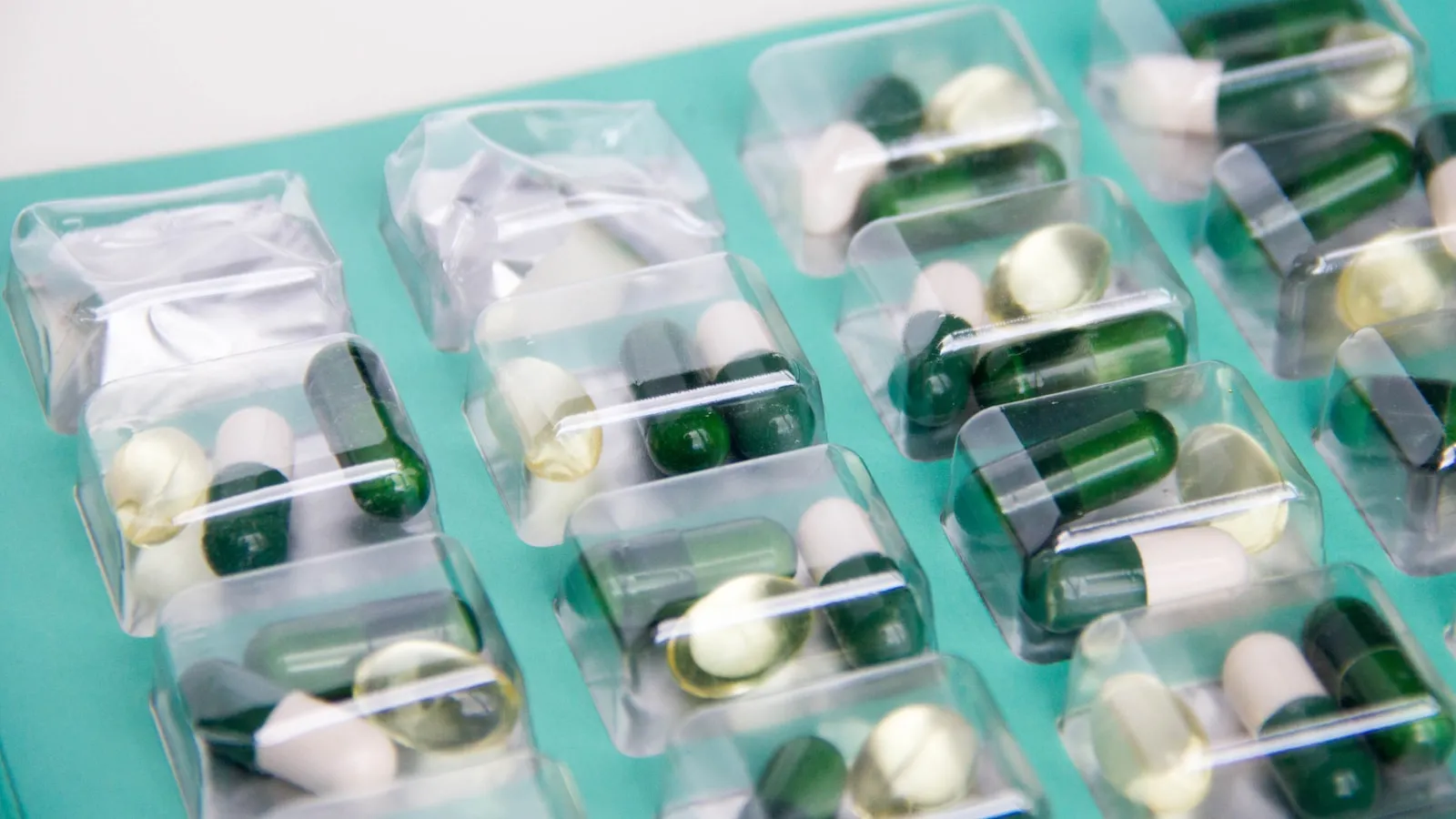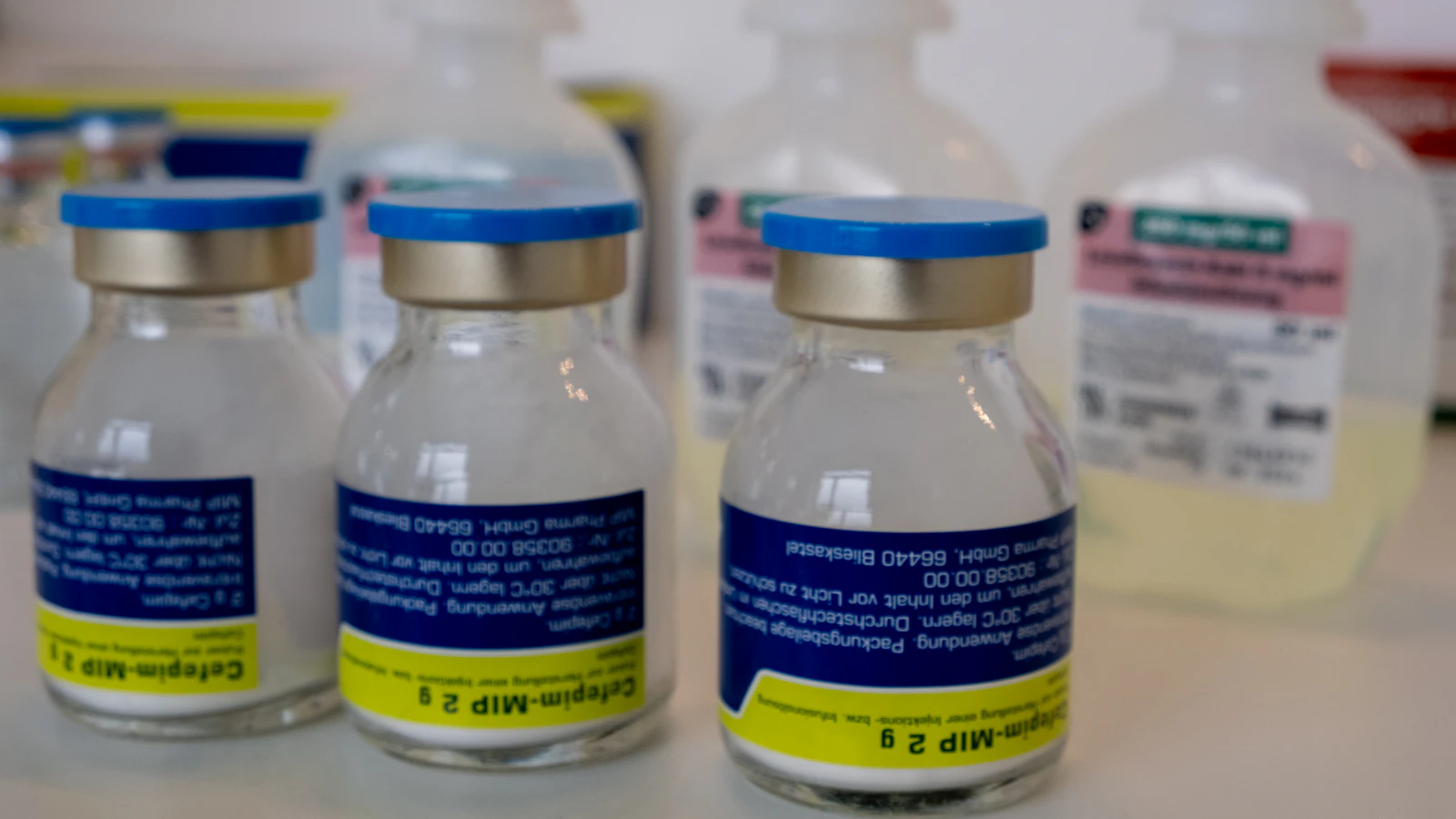
The reassuring thing about syphilis is the treatment: the infection is almost always well curable, usually with penicillin. The earlier you catch it, the simpler that tends to be. We calmly explain how treatment works and what to expect afterwards.
A positive result feels nerve-racking, but with syphilis there is a clear, well-supported treatment path.
How is syphilis treated?
Syphilis is treated with antibiotics, usually penicillin via a doctor. For an early infection a short treatment often suffices, sometimes a single injection. The doctor decides the form and duration based on the stage and your situation.
A systematic review in JAMA confirms penicillin is the standard treatment and effective in most cases (PMID 25387188). If you are allergic to penicillin, the doctor discusses an alternative or an adjusted approach.

Treatment always happens via a doctor, not with something you arrange yourself. That matters, because the right dose and duration depend on the stage.
The treatment itself is usually short and outpatient: you do not need to be admitted for it. With an injection you mainly feel a prick, and afterwards you can simply go home. The doctor explains when a follow-up appointment or check is needed.
Treatment per stage of syphilis
The stage determines how long treatment lasts. For early syphilis a short course is often enough, while late or long-standing infections usually need longer treatment. The overview below gives the general picture, not a personal prescription.
| Phase | General approach | Point of attention |
|---|---|---|
| Early syphilis | Short penicillin treatment | Usually quick and simple |
| Late or unknown duration | Longer treatment | More often several appointments |
| Nervous-system involvement | More intensive treatment in consultation | Extra monitoring needed |
RIVM describes that syphilis can be treated with antibiotics at any stage, and that early treatment is simplest. Research on the modern course of syphilis reaches the same core: timely treatment works well (PMID 32101666).
How fast does treatment work and are you cured?
After successful treatment the bacteria are cleared, but that does not mean you are protected again right away. You can get syphilis again after a new risk contact. Shortly after the first dose a flu-like feeling can occur, which usually passes on its own.
A thorough overview in Nature Reviews Disease Primers describes that most people respond well to treatment, certainly in an early stage (PMID 29022569). Still, cure is not only a matter of finishing the course.
In the first hours after the first dose, some people get a brief fever, chills or muscle ache. This is called a Jarisch-Herxheimer reaction and usually passes on its own within a day. It is a sign the body is responding to treatment, not that something is going wrong.
To be sure treatment has worked, follow-up blood testing takes place. That is what the next section is about.
What happens after treatment?
After treatment a doctor checks with blood testing whether the infection is truly gone. This looks not only at whether antibodies are present, but mainly at their level, which should fall after successful treatment. That is how a doctor tells an old infection from a new one.
Research on the properties of these antibody tests shows the titre level in particular gives important information about the course (PMID 32578862). Antibodies can stay detectable for a long time, even when you are cured.
If you keep doubting a result, review it together with your doctor. Interpreting it yourself is hard with syphilis, precisely because of those lingering antibodies. How the test and the stages connect is in our guide on syphilis: stages, signs and testing.
And your partner after syphilis treatment?
With a confirmed syphilis it is usually wise to let recent partners know, so they can get checked and treated if needed. A doctor or the sexual-health clinic can help you do that discreetly. This stops the infection from bouncing back and forth.
A positive result is no reason for shame. How to approach this calmly is in notifying your partner after a positive test and in positive STI result: what now.
As long as you and your partner(s) are not both treated, the infection can keep bouncing back and forth. Tackling it together prevents that, and gives you both peace of mind.
If you want to get checked again, a syphilis test via a blood sample can arrange that calmly and privately.
Sources
- Clement ME, et al. Treatment of syphilis: a systematic review. JAMA. 2014. PMID 25387188.
- Ghanem KG, Ram S, Rice PA. The Modern Epidemic of Syphilis. NEJM. 2020. PMID 32101666.
- Peeling RW, et al. Syphilis. Nature Reviews Disease Primers. 2017. PMID 29022569.
- Nontreponemal antibody test performance. Clinical Infectious Diseases. 2020. PMID 32578862.
- RIVM, Syphilis. Thuisarts.nl, I may have syphilis.
Every blood test result we provide includes a professional assessment from a BIG-registered doctor. For treatment decisions, discuss your results with your GP.
Autor
Discreettest
Powiązane badania
Powiązane artykuły
Mycoplasma hominis: what a positive result means
Ureaplasma urealyticum: normal flora or something to treat?