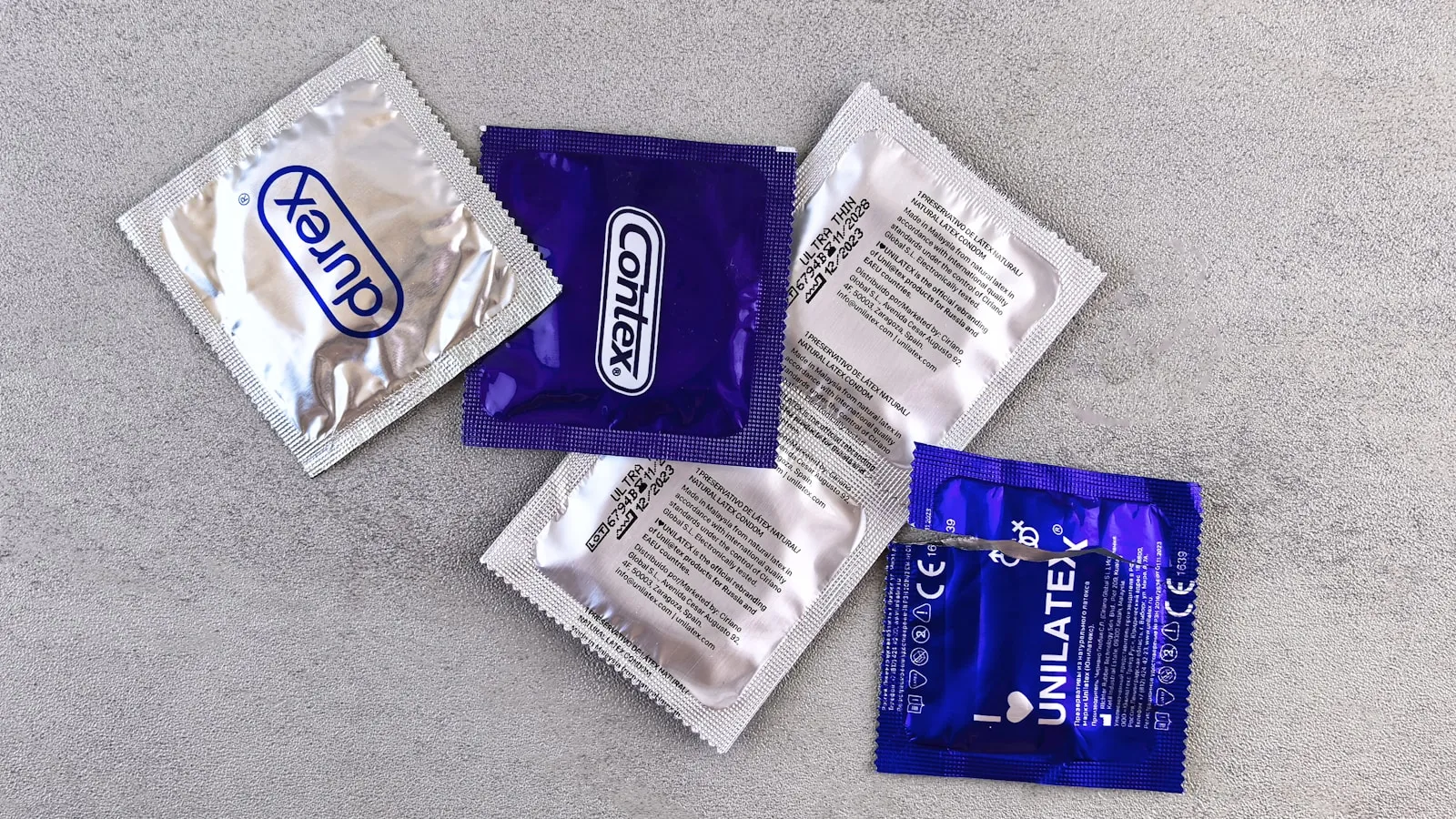
Regret or doubt after a one-night stand is completely normal, and an STI check is then a calm way to get clarity. If the sex was unprotected, you can get tested, though each STI has its own waiting time before a test is reliable. If you suspect a high HIV risk, speed matters: call the GGD or GP about PEP within 72 hours.
One thing first: a one-night stand does not make you an unwise person. It makes you someone who is now checking something. Nothing more.
Should you test after a one-night stand?
If the sex was unprotected or the condom tore, a check is wise, even without symptoms. Many STIs cause no symptoms, after all. A test removes the uncertainty, whether it is justified or not.
If the sex was fully protected and nothing went wrong, the risk is small. Still, testing for your own peace of mind is always allowed; there is no wrong moment for that.

How long after sex can you test?
Not straight away. Every STI has a window period: the time needed before a test can reliably pick up the infection. Testing too early can give a falsely reassuring result. The table below gives a rough picture.
| STI | When a test is usually reliable after contact |
|---|---|
| Chlamydia and gonorrhoea | Often from about 1 to 2 weeks |
| HIV | Depending on the test, often after a few weeks |
| Syphilis | Often after a few weeks to months |
This table is a guide, not an exact rule. The precise window period differs per test; read more in how long after unprotected sex can you test for STIs?.
So it may be that you do a first test now and another one later, depending on what you want to test for. That feels cumbersome, but it is the only way to avoid an early, falsely reassuring result. Plan that second test straight away, so you do not forget it in the rush of daily life.
Which test fits after casual sex?
For most people a combination test for chlamydia, gonorrhoea and trichomonas is a logical base, with HIV and syphilis added if in doubt. What fits depends on exactly what happened. If unsure, start with our guide which STI test do you need, and when?.
With us you can do the anonymous chlamydia, gonorrhoea and trichomonas test or a single HIV test. Without insurance, at a moment that suits you.
What if you are worried about HIV?
With a high HIV risk, speed counts. PEP is an emergency treatment that can prevent an HIV infection, but it must start within 72 hours of the risk. If you think you were at risk, do not wait for a test result, but call the GGD, your GP or accident and emergency right away.
That idea comes from practice and from research. A classic study among health-care workers after a needlestick injury (Cardo et al., New England Journal of Medicine, 1997) showed that acting quickly could lower the risk of HIV infection. Read more in PEP: HIV risk within 72 hours after unprotected sex.

Frequently asked questions after a one-night stand
How soon can I test after a one-night stand? Not straight away, because each STI has its own waiting time. Test too early and the result can be falsely reassuring. Sometimes a follow-up test after a few weeks is still needed.
Should I test if I used a condom? A condom lowers the risk a lot, but does not cover everything. If in doubt, or after a mishap such as a torn condom, a check is still wise.
What do I do with a high HIV risk? Call the GGD, your GP or accident and emergency within 72 hours and ask about PEP. Waiting for a test result costs precious time then.
Can I test anonymously? Yes. With us you test anonymously and without insurance, so no one needs to know.
I have no contact details for the other person, what now? That happens more often than you would think and it need not block your test. Focus on your own check; with a positive result, the GGD will think along about what else is possible.
Should I tell the other person? With a positive result, partner notification matters, even after a one-off contact. How to approach that is something you can discuss with the GGD.
Every STI result we provide is assessed by a BIG-registered doctor. If you are worried about a high HIV risk, do not wait and call the GGD or your GP within 72 hours; this article is explanation, not medical advice.
Sources
- RIVM, STI
- Soa Aids Nederland, Getting an STI test
- Thuisarts.nl, STI
- Cardo DM et al. A case-control study of HIV seroconversion in health care workers after percutaneous exposure. N Engl J Med. 1997 (PMID 9366579).
Author
Discreettest
Dr. Naimi, BIG-registered physician, oversees the medical standards behind our content and assessments. Read our medical policy