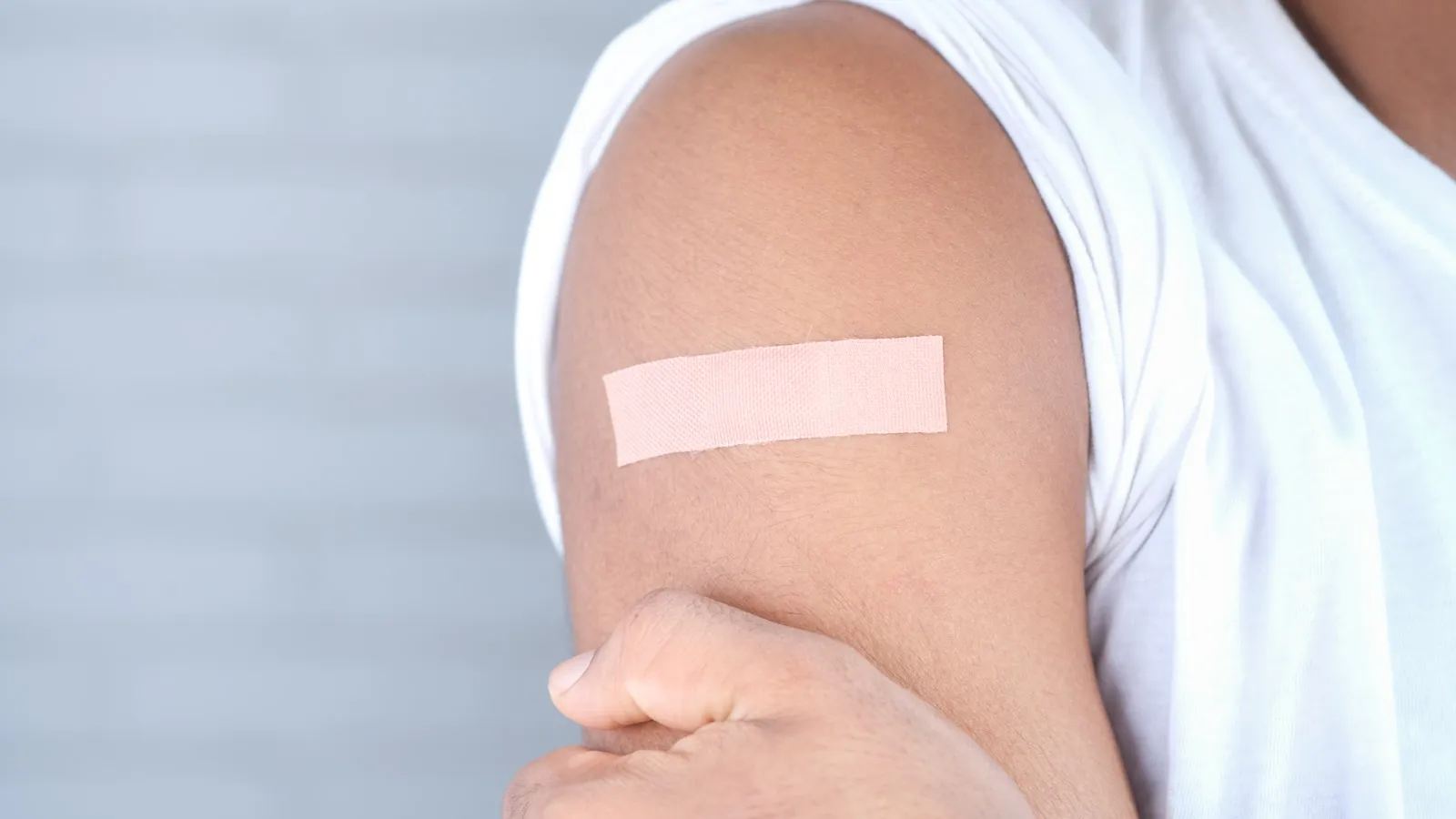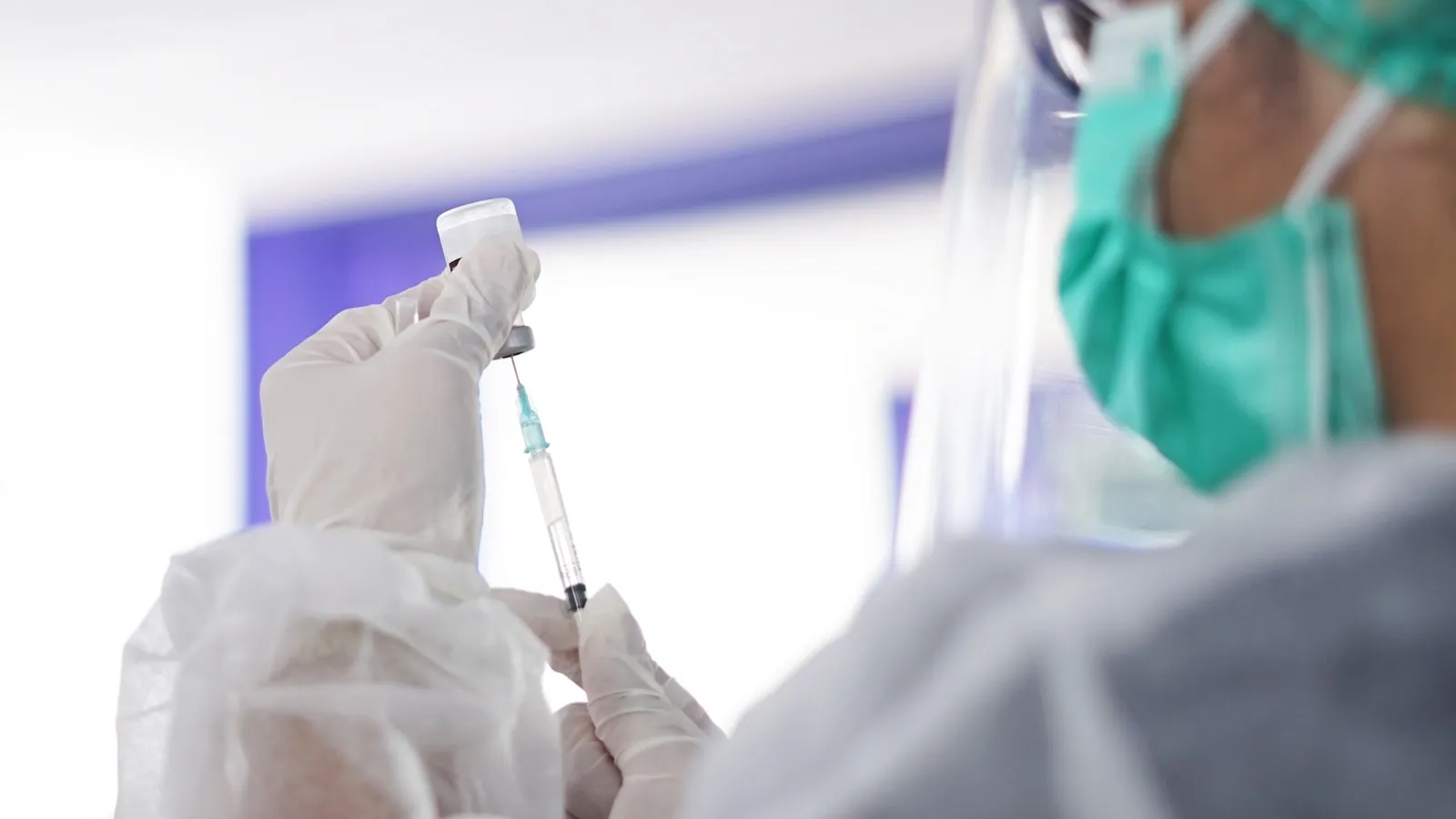
A hepatitis B vaccination for work is standard in jobs where you may come into contact with blood or body fluids, and the employer normally pays for it. Your employer may know whether you are fit for the work, but not what your exact results are. That distinction matters and is often confused.
In practice almost everything runs through the occupational doctor or health service. They sit between you and your employer, precisely to shield your medical data.
Below you will read which jobs this applies to, who pays what, and why an anti-HBs value is requested.
Which jobs commonly require the vaccination?
Mainly work with a real risk of blood contact. Think of nurses, doctors, dental assistants, laboratory staff and ambulance crews. Students starting a healthcare course usually encounter it too.
It also applies to some jobs outside healthcare. Think of people working with needles or sharp waste, or certain roles in the police and fire service.
The RIVM explicitly names healthcare staff with a chance of blood contact as a risk group. What applies in your role is determined by your employer's occupational health service.
Who pays for a work vaccination?
If the vaccination is needed because of your work, it belongs to the employer's costs. That is the usual arrangement for occupational risks. As a rule you should not have to cover it yourself.
For training courses it is sometimes different and the course arranges it. Ask before you pay for anything yourself.
If you fall outside a risk group and still want to be vaccinated, you usually pay for it yourself. We do not vaccinate, so for that you go to the GGD or your GP.
Why does the occupational doctor want an anti-HBs value?
Because a vaccination record does not prove the vaccination took hold in you. Roughly one in ten people make no demonstrable antibodies after a full series. Only a blood test shows which group you are in.
That check usually happens one to two months after the last shot. The threshold sits at 10 IU/l, above which protection is the reading.
What the numbers mean exactly is in our piece on your anti-HBs value. We describe the marker itself on our anti-HBs page.
May your employer see your result?
No, your medical data belong to you. The occupational doctor is bound by medical confidentiality and shares no diagnoses or individual results with your employer. What the employer does hear is whether you are fit for the work and whether adjustments are needed.
That difference is in practice the thing people most want to know. Your value is medical information, your fitness for work is employment information.
| Who | What they may know |
|---|---|
| You | Your full result with all values |
| Occupational doctor or health service | Your result, under medical confidentiality |
| Employer | Whether you are fit and which measures are needed |
If running this through work feels uncomfortable, you can also have your value measured yourself. You then decide who sees the result.
What if you turn out to be a non-responder?
Then you make no demonstrable antibodies after a full series. That does not mean you cannot work, but it does mean different arrangements apply after a needlestick incident.
A second series is often tried first. Some people do respond well to that.
Research from 2020 among more than fifteen thousand tested people found non-responders were on average older at vaccination, more often had a higher BMI and more often smoked. Those are group patterns, not a personal prediction.
What is needed in your case is decided by the occupational doctor. We supply the measurement, not the policy.
What if you lost your vaccination record?
Then measuring is faster than searching. Shots from the national immunisation programme are registered with the RIVM, but vaccinations through an old employer, a travel clinic or a training course are often hard to trace.
An anti-HBs measurement simply shows what is in your blood now. That is more useful than a slip of paper from fifteen years ago.
How long a vaccination lasts is in our piece on how long a hepatitis B vaccination is valid. If you want to check it yourself, anti-HBs is part of the hepatitis test. Discuss the result with your occupational doctor or GP.
References
- RIVM. Hepatitis B. 2025. rivm.nl
- World Health Organization. Hepatitis B fact sheet. 2026. who.int
- A simple clinical score to identify likely hepatitis B vaccination non-responders. BMC Infect Dis. 2020. PMID 33238923.
Every blood test result at Discreet Test includes a professional assessment by a BIG-registered doctor. For treatment decisions, discuss your results with your GP.
الكاتب
Discreettest
Dr. Naimi، طبيب مسجل في سجل BIG الهولندي، يشرف على المعايير الطبية لمحتوانا وتقييماتنا. اقرأ سياستنا الطبية