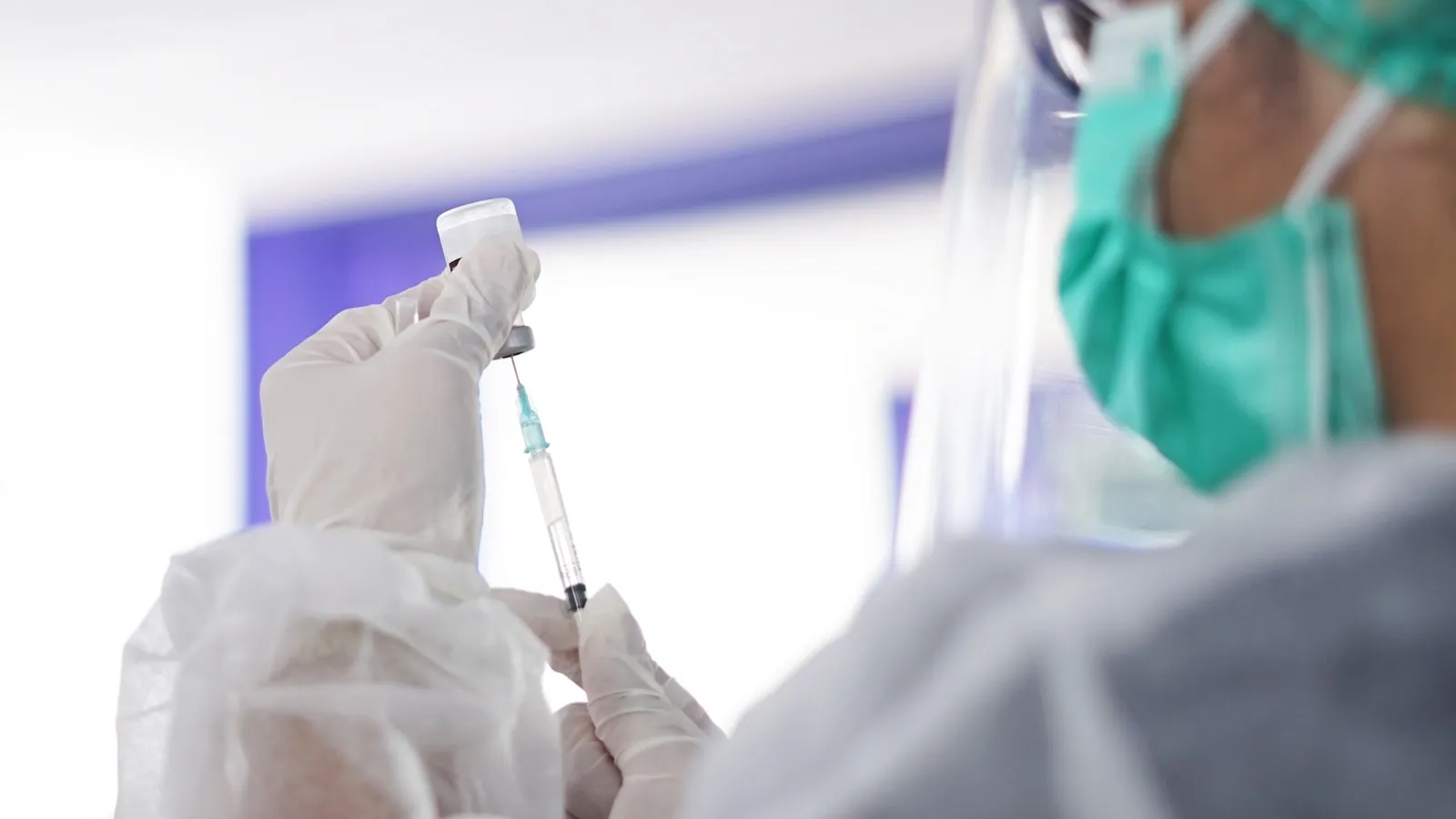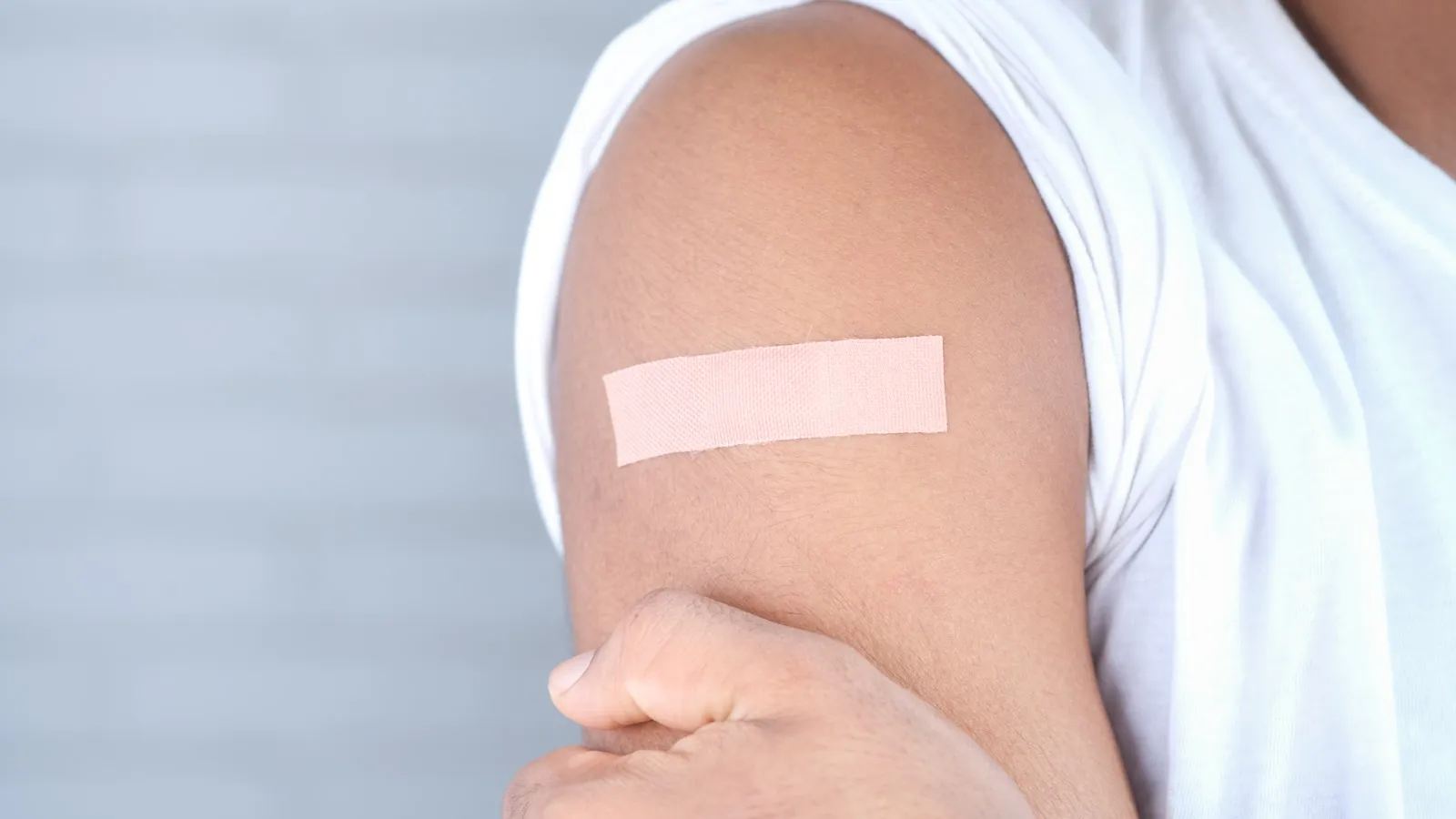
The side effects of the hepatitis B vaccination are mild and short-lived for most people. A sore or red spot at the injection site is by far the most reported complaint. Serious reactions are rare.
Even so, it is one of the most asked questions before a shot, and that is understandable. You want to know what you are getting into.
Below is what is known about the complaints, how long they usually last and when making contact is sensible.
Which side effects are most common?
By far the most complaints sit at the injection site itself. Think of pain, redness or slight swelling on your upper arm. Some people also report general complaints such as fatigue, headache or a slightly raised temperature.
Those reactions belong to an immune system getting to work. They say nothing about how well the vaccination ultimately takes hold.
The table below lists the reported complaints, from common to rare.
| How often | What people report |
|---|---|
| Common | Pain, redness or swelling at the injection site |
| Regular | Fatigue, headache, generally fluey feeling |
| Sometimes | Slightly raised temperature, nausea, muscle ache |
| Rare | Allergic reaction shortly after the shot |
The RIVM describes the vaccination as well tolerated. We report here what is generally known and give no medical advice about your situation.
How long do the complaints last?
Usually not long. A sore arm generally clears within one to three days. Fatigue or a headache rarely lasts longer than a few days.
If a complaint lingers or gets worse instead, that is a reason to check in. It does not fit the usual picture.
Bear in mind too that the series consists of several shots. Some people notice more at the second or third shot than at the first, others notice less.
Can you get hepatitis B from the vaccine?
No, that is not possible. The vaccine contains no live or complete virus, only a manufactured piece of the surface protein. So there is nothing present that could multiply.
This misunderstanding keeps circulating, probably because people sometimes feel fluey after the shot. That feeling comes from your own immune response.
How the vaccine works is explained in our piece on the hepatitis B vaccination. How you actually catch the virus is in our piece on hepatitis B transmission.
When should you make contact?
With complaints that do not fit the usual picture. Think of breathlessness, swelling of the face or throat, or a rash shortly after the shot. That calls for immediate medical assessment.
Persistent fever, or a complaint still there after a week, is also a reason to call. Contact the service that gave the vaccination, or your GP.
If you are unsure, just call. A short question always costs less than a missed reaction.
Do the side effects outweigh the protection?
That is ultimately a judgement you make together with a doctor, and not something we can fill in for you. What we can do is set the two sides out honestly.
On one side stands a tender arm for a few days. On the other stands an infection that can become chronic and then strain your liver for years.
The RIVM offers the vaccination free to risk groups, including men who have sex with men and healthcare staff with a chance of blood contact. Whether you belong to those groups is something to discuss with the GGD or your GP.
And how do you know the shot worked?
Not from the side effects. Someone with many complaints is no better protected than someone who noticed nothing, and the reverse holds too. The only way to know is a blood test for anti-HBs.
That measurement is usually done one to two months after the last shot. What the result means is in our piece on your anti-HBs value.
If you want that checked, the measurement is part of the hepatitis test. Always discuss a low result with your GP or occupational doctor.
References
- RIVM. Hepatitis B. 2025. rivm.nl
- World Health Organization. Hepatitis B fact sheet. 2026. who.int
- Polák P, Husa P, Smejkal P, et al. Is it necessary to revaccinate against hepatitis B virus when the titer of anti-HBs drops below 10 IU/L? Klin Mikrobiol Infekc Lek. 2016. PMID 27907975.
Every blood test result at Discreet Test includes a professional assessment by a BIG-registered doctor. For treatment decisions, discuss your results with your GP.
الكاتب
Discreettest
Dr. Naimi، طبيب مسجل في سجل BIG الهولندي، يشرف على المعايير الطبية لمحتوانا وتقييماتنا. اقرأ سياستنا الطبية