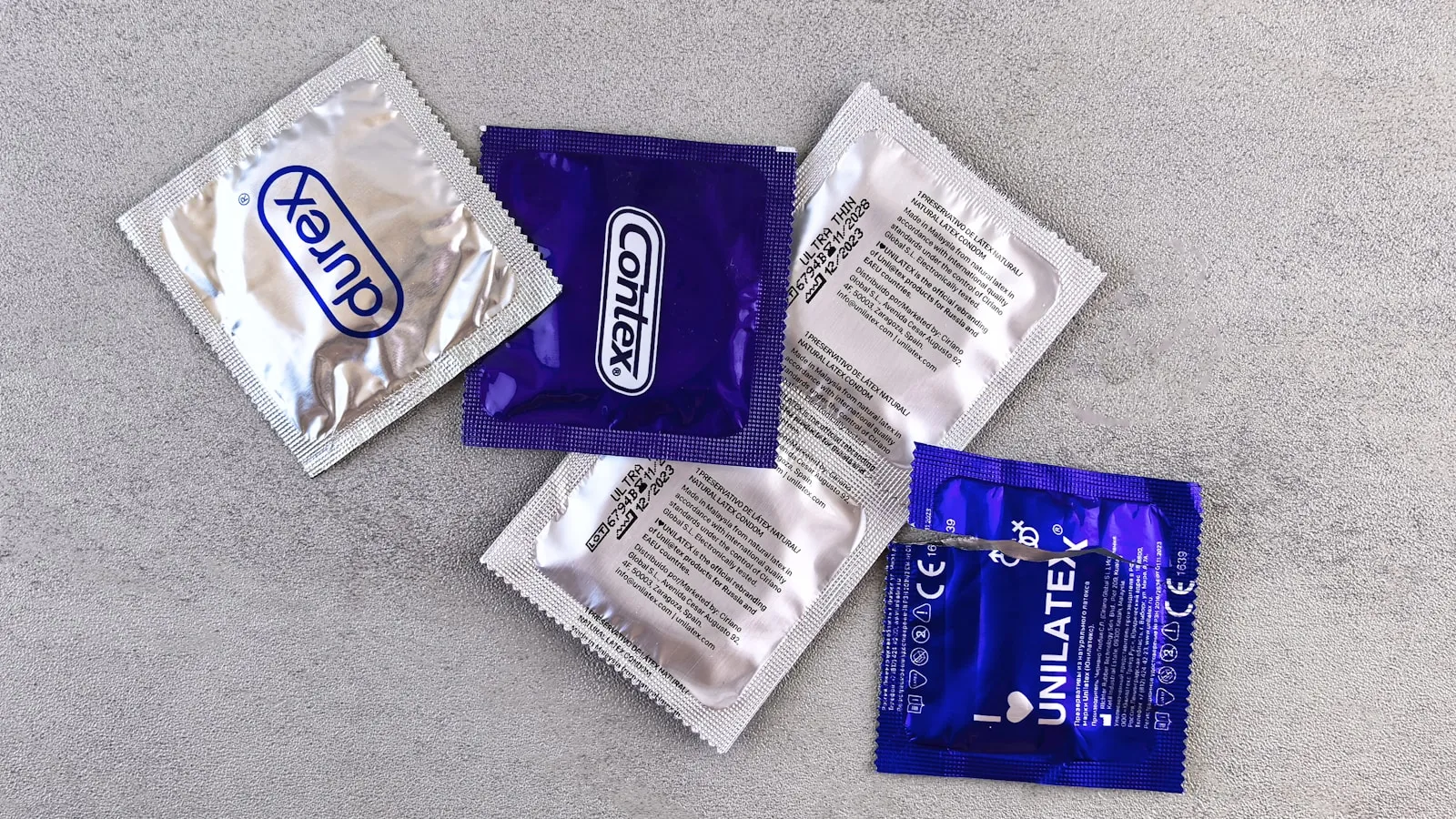
Which STI test do you need as a man? For most men without symptoms, a test for chlamydia and gonorrhoea is a sensible base, often with HIV and syphilis added. That test usually goes via some urine, sometimes via blood or a swab. Many STIs cause men no symptoms or only mild ones, so testing is the only way to know for sure.
I often hear men say: I feel nothing, so it must be fine. That is far from always true.
What STI symptoms do men get?
Symptoms that can point to an STI include discharge from the urethra, a burning feeling when you pee, itching, or pain in the scrotum. Sometimes you see a bump or blister. But many men have no symptoms at all, even with an STI.
Burning when you pee also comes from a bladder infection or irritation. When that does or does not point to an STI is explained in burning when urinating: an STI or something else?.

Which STI test do you need as a man?
That depends on your situation and your sex life. For many men a test for chlamydia and gonorrhoea is a logical starting point, with HIV and syphilis added if you have changing partners. The table below gives a picture, but does not replace advice from your GP or the GGD.
| Your situation | Test that often fits | How it is taken |
|---|---|---|
| No symptoms, but you have had sex | Chlamydia and gonorrhoea | Usually urine |
| Burning when peeing or discharge | Chlamydia, gonorrhoea, sometimes more | Urine, sometimes a swab |
| New or changing partners | Broader check, incl. HIV and syphilis | Urine and blood |
| Had anal or oral sex | Test at that site as well | Throat or anal swab |
This table is a guide, not a prescription. Not sure which test fits you? Start with our guide which STI test do you need, and when?. With us you can do the anonymous chlamydia, gonorrhoea and trichomonas test or a single HIV test.
How is an STI test for men taken?
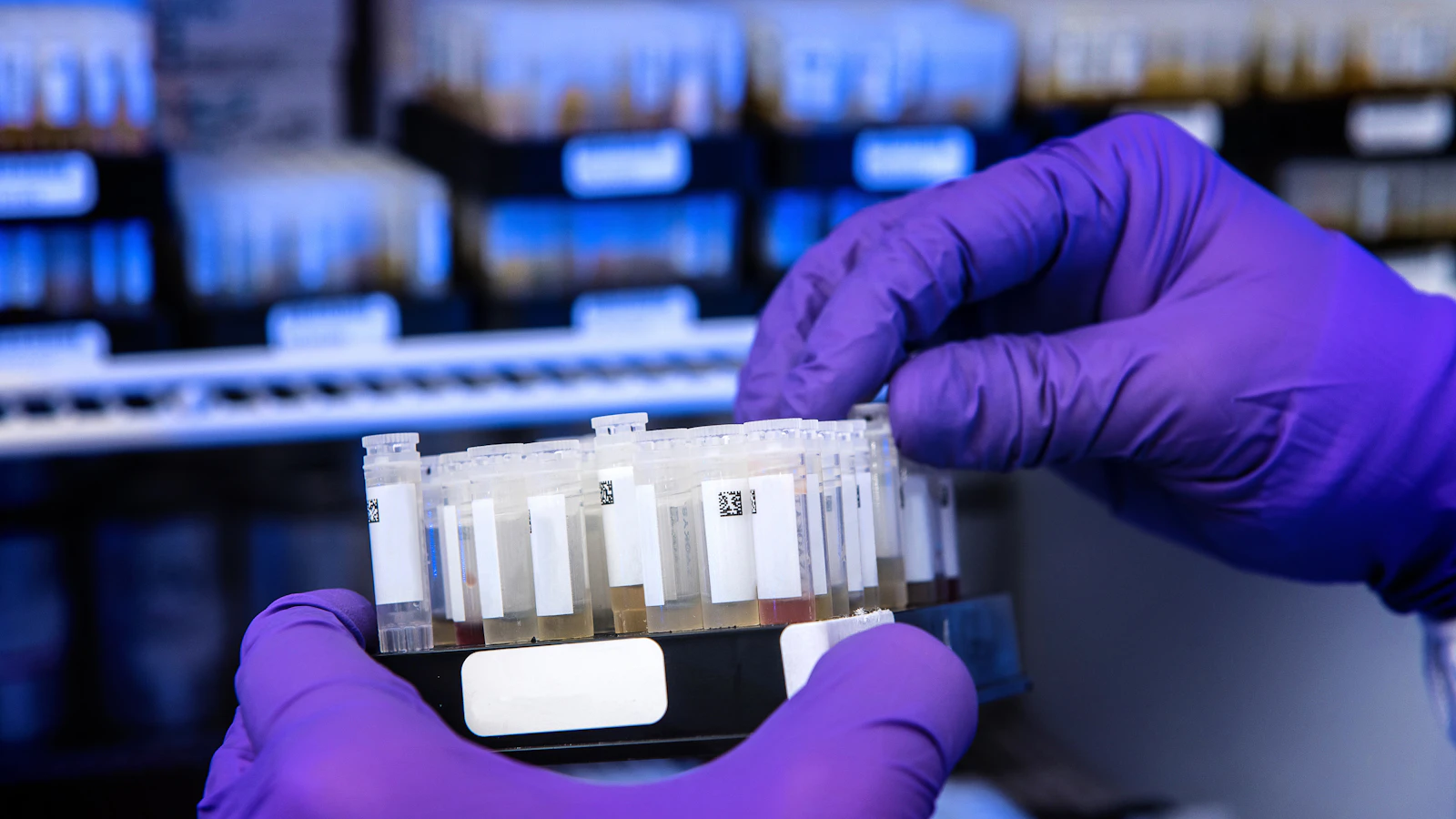
That differs per STI. Chlamydia and gonorrhoea usually go via a urine sample: you catch some pee, often the first stream. For HIV and syphilis a little blood is needed. If you have had oral or anal sex, a swab at that site may be needed.
For the urine test it helps not to have peed for a couple of hours. That way there is more material in your sample and the result is more reliable.
Can you have an STI without symptoms as a man?
Yes, and more often than you would think. A large share of chlamydia and gonorrhoea infections runs without clear symptoms. In a study across five countries (Detels et al., Sexually Transmitted Diseases, 2011), a large part of the infections in men turned out to cause no symptoms.
That makes STIs sneaky: without symptoms you notice nothing, while you can still pass one to a partner. Testing is then the only way to get clarity.
More about the STI men often recognise first is in gonorrhoea (the clap): recognising symptoms and testing.
How often should you get checked as a man?
There is no single number. With changing partners or after unprotected sex, checking more often makes sense than in a steady relationship. What fits you is something you can judge together with the GGD or your GP.
My level-headed advice: decouple a check from symptoms. Precisely because you often feel nothing, a short test now and then is the wisest move.
Frequently asked questions about STI testing in men
Can I do an STI test with only urine? For chlamydia and gonorrhoea, often yes. For HIV and syphilis blood is needed, and after oral or anal sex sometimes a swab. Which combination fits depends on your situation.
How long should I wait after sex before testing? Each STI has its own waiting time before a test is reliable. How that window period works is explained in our STI testing guide.
Will my partner notice my test? No. With us you test anonymously and without insurance, so you keep it fully in your own hands.
Is an STI test for men painful? Usually not. Catching urine does nothing, and a blood draw is a short prick. For most men the discomfort is minor.
Should I test if I used a condom? A condom lowers the risk a lot, but does not cover everything. If in doubt, or after a mishap, a check is still wise.
Every STI result we provide is assessed by a BIG-registered doctor. If you have symptoms or are unsure about your situation, discuss it with your GP or the GGD; this article is meant as explanation, not as medical advice.
Sources
- RIVM, STI
- Soa Aids Nederland, STI test
- Thuisarts.nl, STI
- Detels R et al. The incidence and correlates of symptomatic and asymptomatic Chlamydia trachomatis and Neisseria gonorrhoeae infections in selected populations in five countries. Sex Transm Dis. 2011 (PMID 22256336).
Author
Discreettest
Dr. Naimi, BIG-registered physician, oversees the medical standards behind our content and assessments. Read our medical policy