An HIV self-test is fast and private, but a lab test is more reliable: it finds an infection earlier and does not need confirming. A finger-prick self-test only measures antibodies and has a longer window period of twelve weeks. For most people a lab test is the wiser choice.
We see both come by often and the answer is nuanced. A self-test is better than not testing. But if you make the effort anyway, you may as well get a result you can truly build on.

How reliable is an HIV self-test?
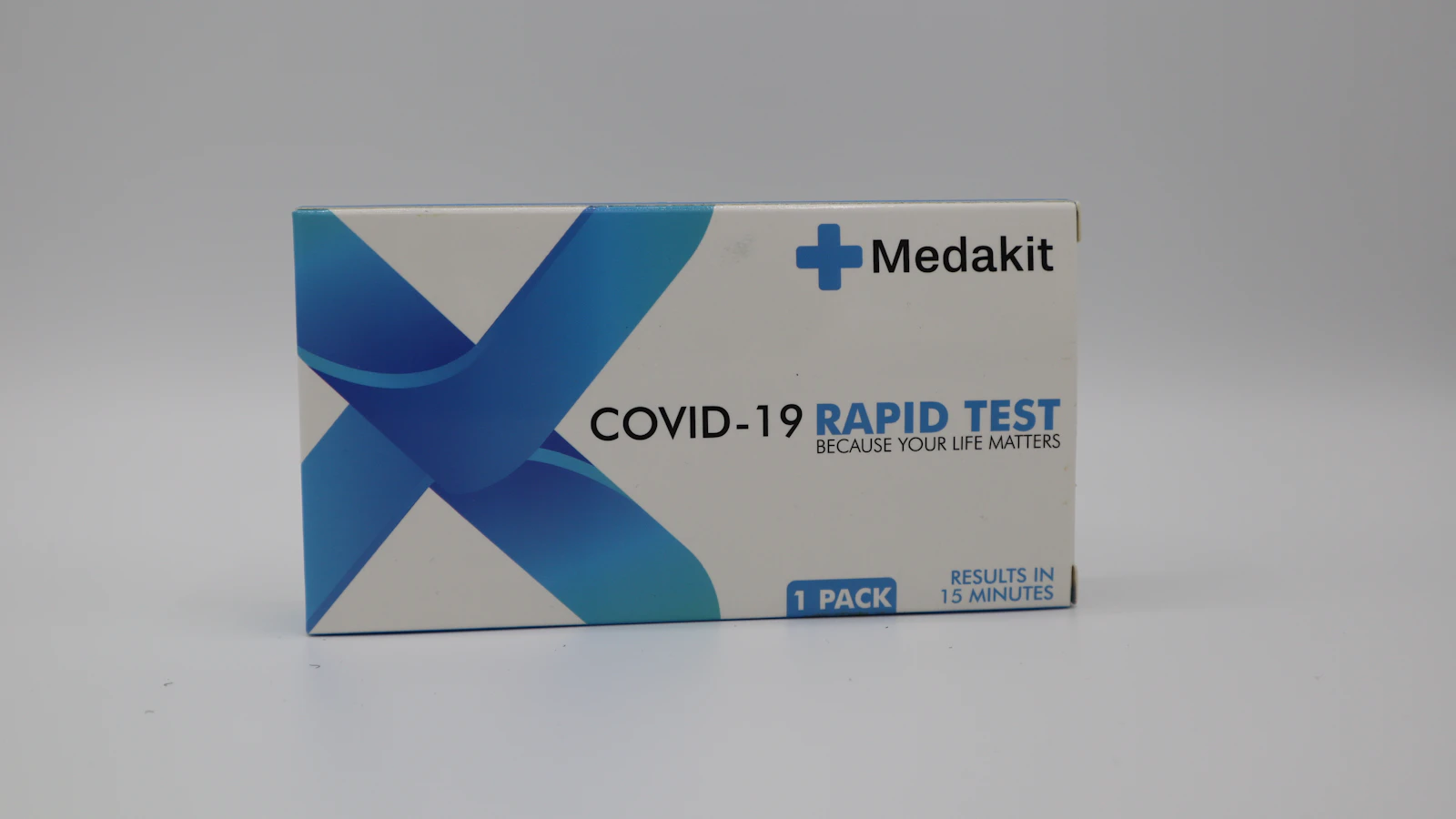
An approved HIV self-test is reliable if you use it correctly and respect the window period. A meta-analysis showed that people perform a self-test almost as well as a health worker, with agreement of 0.97 to 0.98 (PMID 29703707). The biggest source of error was incorrect sampling, not the test itself.
The downside: a self-test only measures antibodies and is therefore only fully trustworthy after twelve weeks. And a positive result is never definitive; it must always be confirmed with a lab test.
RIVM and Soa Aids Nederland recommend self-tests as a low-threshold first step, with emphasis on confirmation of a positive result.
When buying, look for a CE mark and clear instructions. A cheap test without a quality mark is not worth the risk, precisely because you read the result yourself.
HIV self-test or lab test: the differences
A lab test looks at antigen and antibodies in a tube of blood and is reliable from six weeks. A self-test is handier and more anonymous, but slower and needs confirmation. The table places the main differences side by side.
| Feature | Self-test (finger-prick) | Lab test (sampling location) |
|---|---|---|
| What is measured | antibodies only | antigen + antibodies |
| Reliable from | 12 weeks | 6 weeks |
| Confirmation needed | yes, if positive | no |
| Result assessed by doctor | no | yes |
| Convenience | at home, instant | short appointment |
Why does a lab test find an infection earlier? Because the p24 antigen appears after about ten to fourteen days, while antibodies take longer. Research into the detection window confirms that antigen-antibody lab tests turn positive earliest (PMID 27737954).
When do you choose which?
Choose a self-test if your threshold to test is otherwise too high and you can wait out the twelve weeks. Choose a lab test if you want faster certainty, a result without a second test, or if you want to know where you stand within six weeks of a risk. When in doubt, a lab test is the safer route.
Large studies also show that early treatment after a timely diagnosis strongly lowers the risk of transmission (PMID 27424812). Knowing sooner has practical value, not just peace of mind.
For the right moment, read about the HIV window period. If you do not know how long you wait for a result, see how long you wait for an STI result.
What if your self-test is positive?
A positive self-test is a signal, not a diagnosis. Every positive result must be confirmed with a lab test, because a single rapid test can also be wrongly positive. So do not panic straight away, but plan a confirmation.
With a positive self-test, contact a doctor or a sexual-health clinic as soon as possible. They arrange a confirming lab test and, if needed, quick next steps. The sooner that happens, the better.
If the confirmation is also positive, treatment starts. With modern medication HIV is very treatable and the virus can become undetectable. Knowing early is therefore in your favour.
How do you get a lab test done?
You book an anonymous HIV test online, visit a sampling location for a blood draw and receive your results digitally. Prefer to read more at home about anonymous testing first, then see STI test at home and our HIV test guide.
Our conclusion: a self-test is a fine first step, but a lab test gives an earlier and more certain answer. Choose what you will actually test with, and discuss the result with a doctor.
This article is for information and does not replace medical advice. A test result reflects that moment, not the future. Every result at DiscreetTest is assessed by a BIG-registered doctor, and you make treatment decisions together with your GP. If you are unsure or have symptoms, talk to a doctor.
Sources
- Figueroa C, et al. Reliability of HIV rapid diagnostic tests for self-testing. Lancet HIV, 2018. PMID 29703707
- Delaney KP, et al. Time Until Emergence of HIV Test Reactivity Following Infection With HIV-1. Clinical Infectious Diseases, 2017. PMID 27737954
- Cohen MS, et al. Antiretroviral Therapy for the Prevention of HIV-1 Transmission (HPTN 052). New England Journal of Medicine, 2016. PMID 27424812
- RIVM, HIV
- Soa Aids Nederland, HIV
Author
Discreettest
Dr. Naimi, BIG-registered physician, oversees the medical standards behind our content and assessments. Read our medical policy