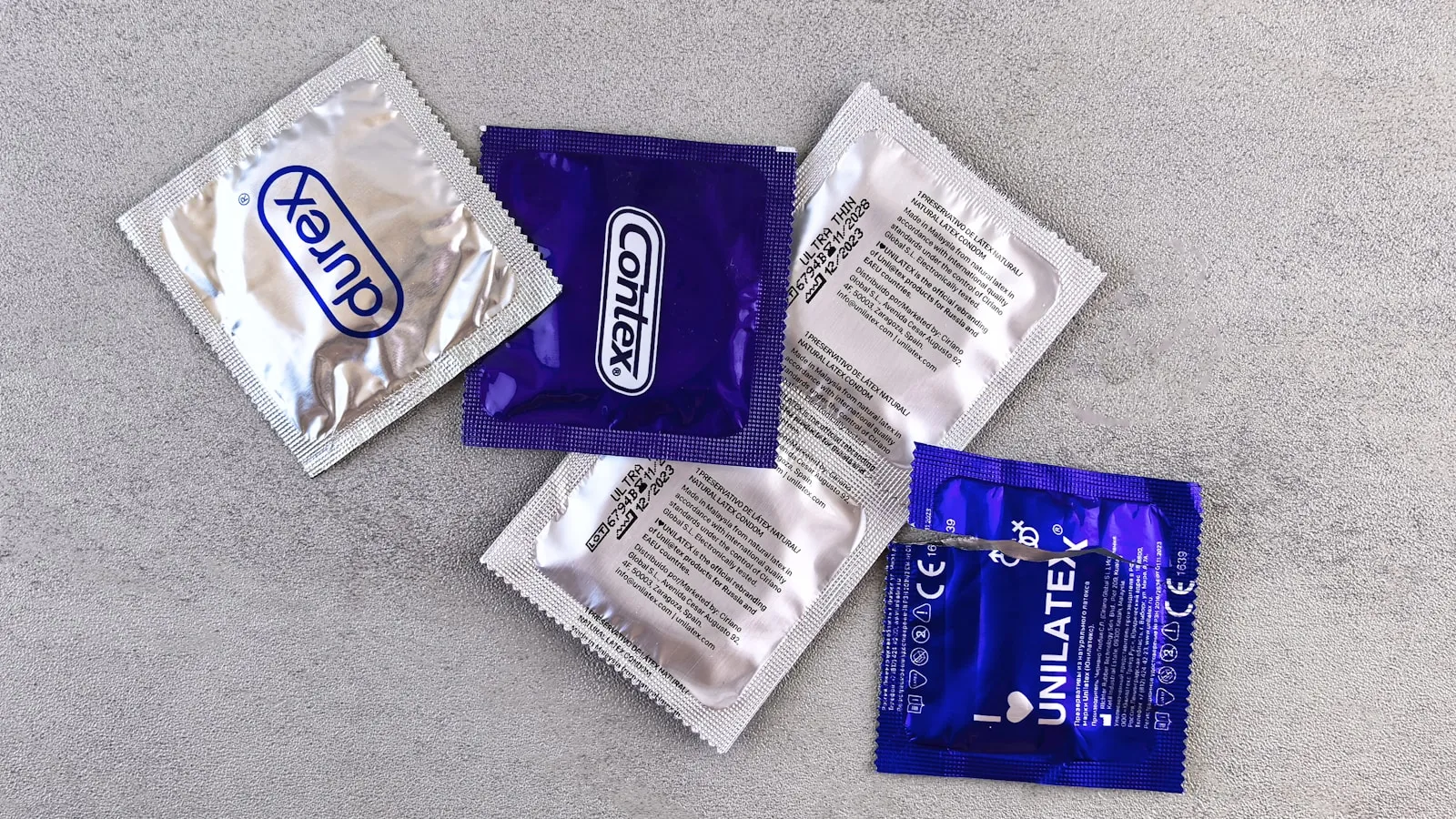
In the shower you feel something new: a bump, a blister, or a spot that was not there yesterday. Your thoughts shoot off in every direction. Good to know: far from every bump on your genitals is an STI, and several causes are completely harmless. The shape, the pain and the course together give the best clue, and that is exactly what we pull apart below.
In our experience people are most frightened by something harmless and sometimes ignore the very sign that deserves attention. The difference is in the details, not in the first scare.
Bump or blister: the likely causes
Use the table as a decision aid. Comparing an image online rarely works well, the way the spot develops tells you more. When in doubt, or with painful blisters and sores, a check is wise.
| How it looks and feels | Likely cause | STI or not | What to do |
|---|---|---|---|
| Small painful blisters in clusters, tingling or burning, opening into sores | Genital herpes | STI | GP for diagnosis, then targeted testing |
| One painless, firm sore that disappears on its own | Syphilis (first stage) | STI | Syphilis check via blood |
| Cauliflower-like, skin-coloured bumps, not painful | Genital warts (HPV) | STI | GP for assessment and treatment |
| Small, shiny bumps with a dimple in the centre | Molluscum (water warts) | Sometimes via contact | GP, often clears on its own |
| Red, painful bump around a hair, sometimes with pus | Inflamed hair follicle or ingrown hair | Not an STI | Warm compress, do not squeeze |
| Rows of small, whitish bumps on the shaft or labia | Sebaceous glands (normal) | Not an STI | No action needed |
Want to compare what you see? Read what STI bumps look like: 9 types.
Painful versus painless: an important distinction
The difference between painful and painless is surprisingly useful. Painful blisters in clusters more often point to genital herpes, while a painless, firm sore is suspicious for the first stage of syphilis. That syphilis sore disappears on its own, and that is exactly why it is so often missed. According to the NHG guideline The STI consultation, a painless sore should always be investigated seriously, even when it goes away. The RIVM sees in its annual STI figures that syphilis has been rising in recent years.
Which check fits which bump?
For blisters that look like herpes the most reliable route is a swab of a fresh blister at the GP. For a suspicious sore a syphilis check via blood is the test of choice. Because a new skin lesion sometimes goes with broader STI risk, it can be wise to also include HIV with an HIV check, and with varied contact to rule out the most common bacterial STIs using the combined check. HIV can be checked reliably from 4 weeks after contact, syphilis likewise from about 4 weeks. The exact test moments are in how long after sex you can test.
When does it belong with your GP?
For assessing blisters, warts and sores, looking matters, and your GP does that better than a remote test. In any case go in for:
- Painful blisters or open sores
- A sore that disappeared on its own (always have this checked)
- Bumps that grow fast, bleed or change
- Fever or swollen lymph nodes in the groin alongside
- A skin lesion during pregnancy
How the course tells you more than a photo
People often compare a new spot with photos online, but that rarely leads to a reliable answer. The course over time is far more informative. Herpes blisters come in waves: first tingling or burning, then small blisters in clusters, which open into sores and heal in one to two weeks, after which they can return later. A syphilis sore appears as a single, firm, painless spot that disappears on its own within a few weeks, while the infection simply continues underneath. Genital warts, by contrast, grow slowly and without pain. An inflamed hair follicle comes up fast around a hair and usually clears within days. By watching speed, pain and whether the spot returns, you often get further than with any image.
Home test, GGD or GP: where do you get checked?
For visible skin lesions, looking matters, and your GP does that better than a remote test. For a suspicious sore or broader STI risk, a blood test for syphilis and HIV is very suitable, and you can have that done anonymously as a home test, without it going into your GP file. The GGD sometimes tests for free, but with conditions around age and risk group. If your complaints point to blisters or sores, go in first for assessment and combine that with a blood test if needed. More on the GGD route is in GGD test refused.
To read more about the herpes course, see genital herpes and syphilis. The full testing overview is in which STI test you need when. Most bumps are harmless, but a painless sore or painful blisters deserve attention, and that is not something you leave to unnecessary uncertainty.
Also read the overview STI symptoms in men and women, and compare with STI symptoms in men and STI symptoms in women.
الكاتب
Discreettest
Dr. Naimi، طبيب مسجل في سجل BIG الهولندي، يشرف على المعايير الطبية لمحتوانا وتقييماتنا. اقرأ سياستنا الطبية
فحوصات ذات صلة
مقالات ذات صلة

How long is scabies contagious?
How do you get pubic lice? And does shaving help?